


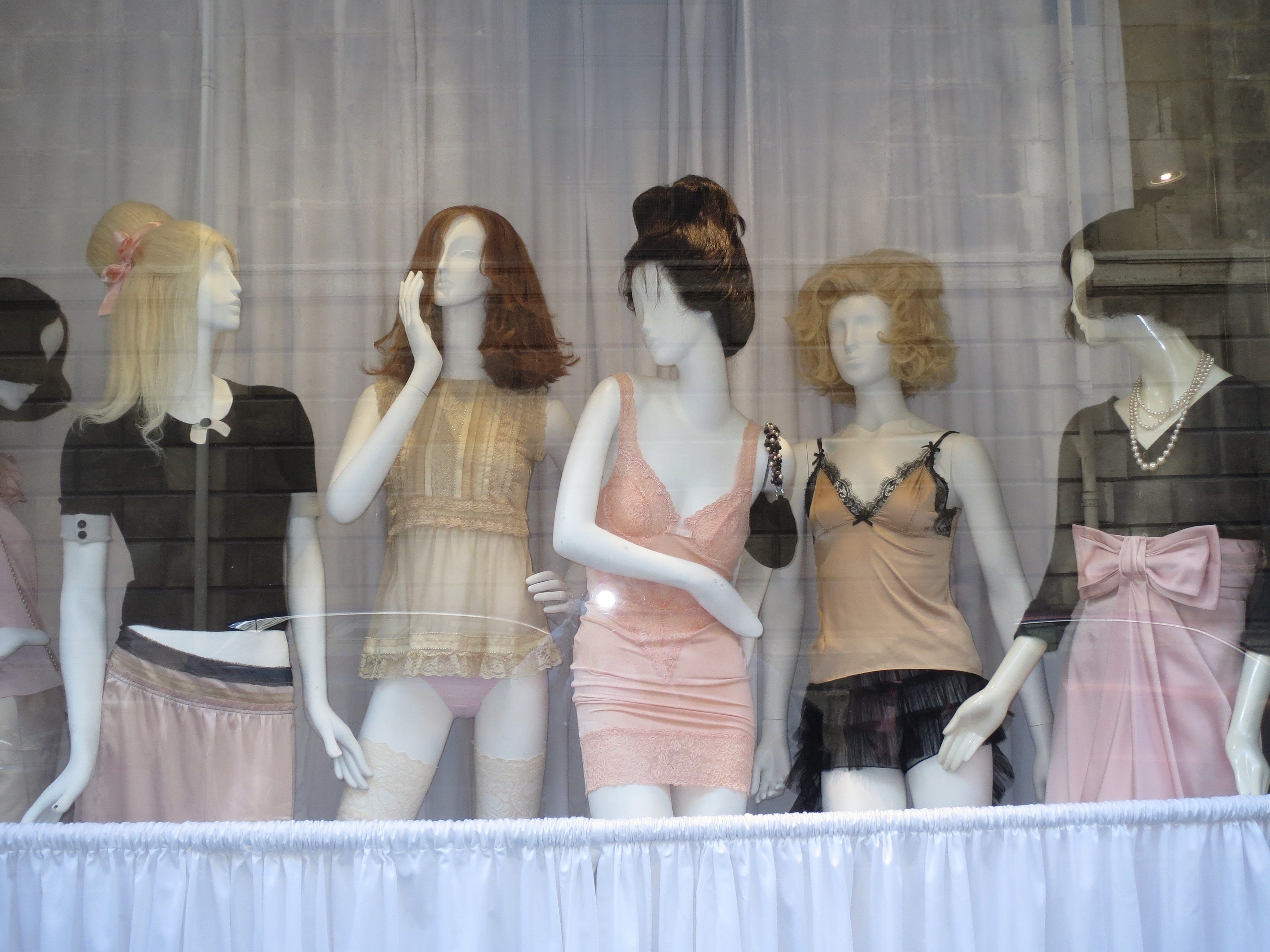
A window display can make you forget you were on your way somewhere. You want the clothes, the life, possibly a place among those inside. Holly Golighty had Tiffany’s, and we have our eye on secondhand boutique, the Parisian Vintage. Specifically, the work of Paris-based stylist Diane Serfati, who designed its latest window display to feel like a glamorous fever dream. Her references are just as fantastical, from Tim Burton’s Alice in Wonderland (2010) to Tim Walker’s larger-than-life fashion photography in equal measure. Below, she talks playing dolls, borrowing from cabaret, and giving passersby a reason to stop and stare.
“Window displays are like tiny street theaters. They should make you stop and wonder what’s happening inside.”
How did you come to work with the Parisian Vintage?
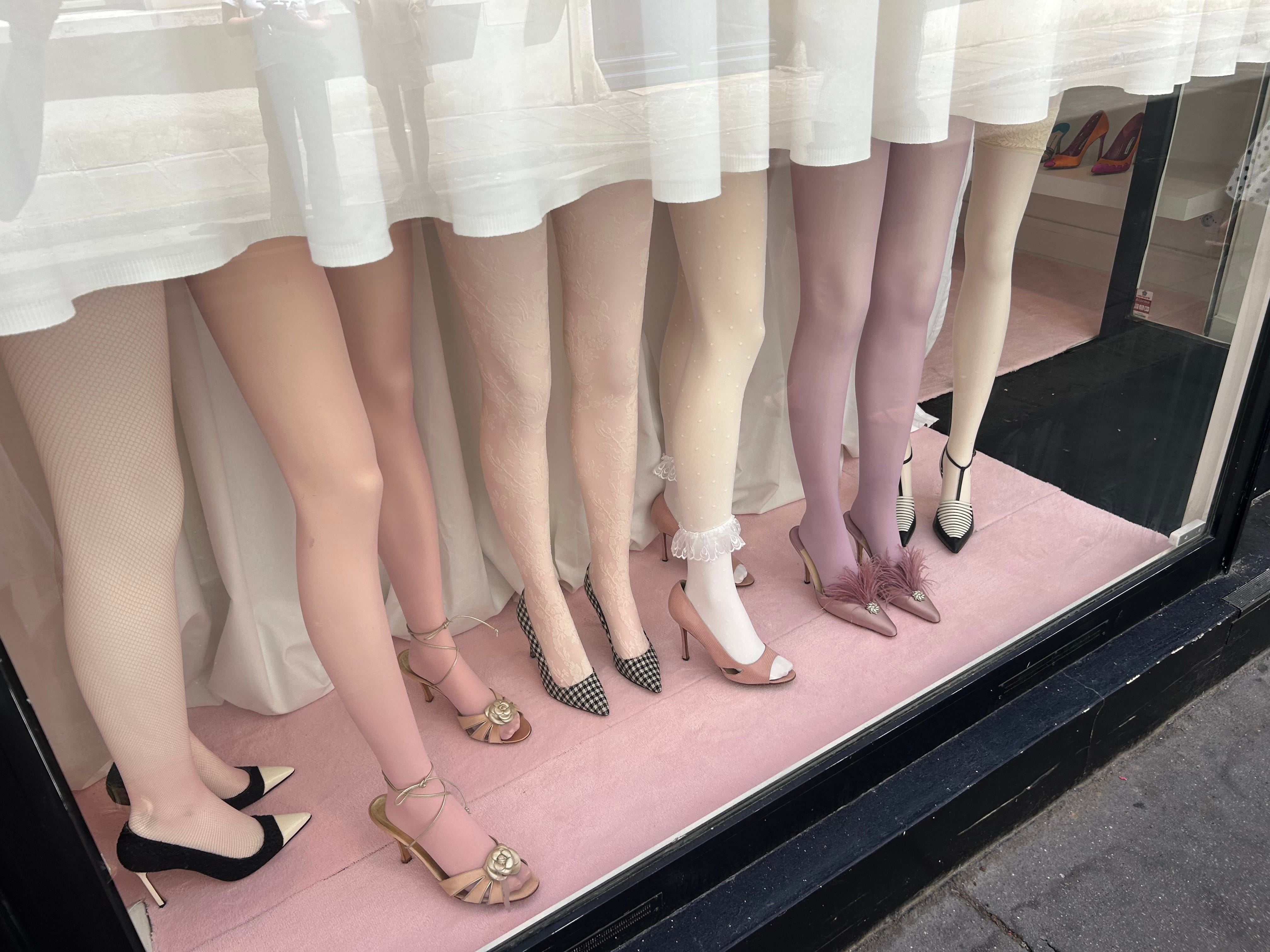
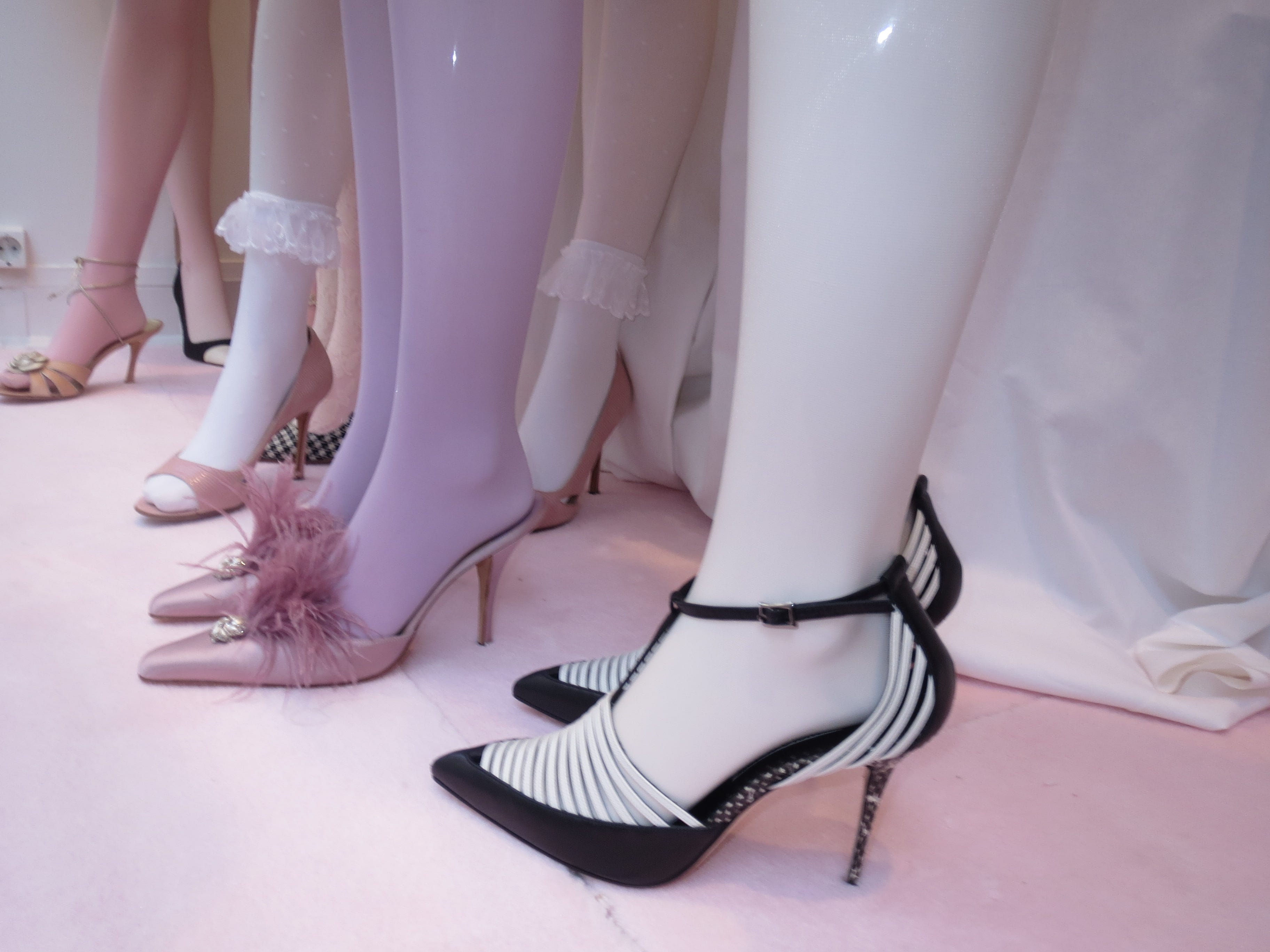
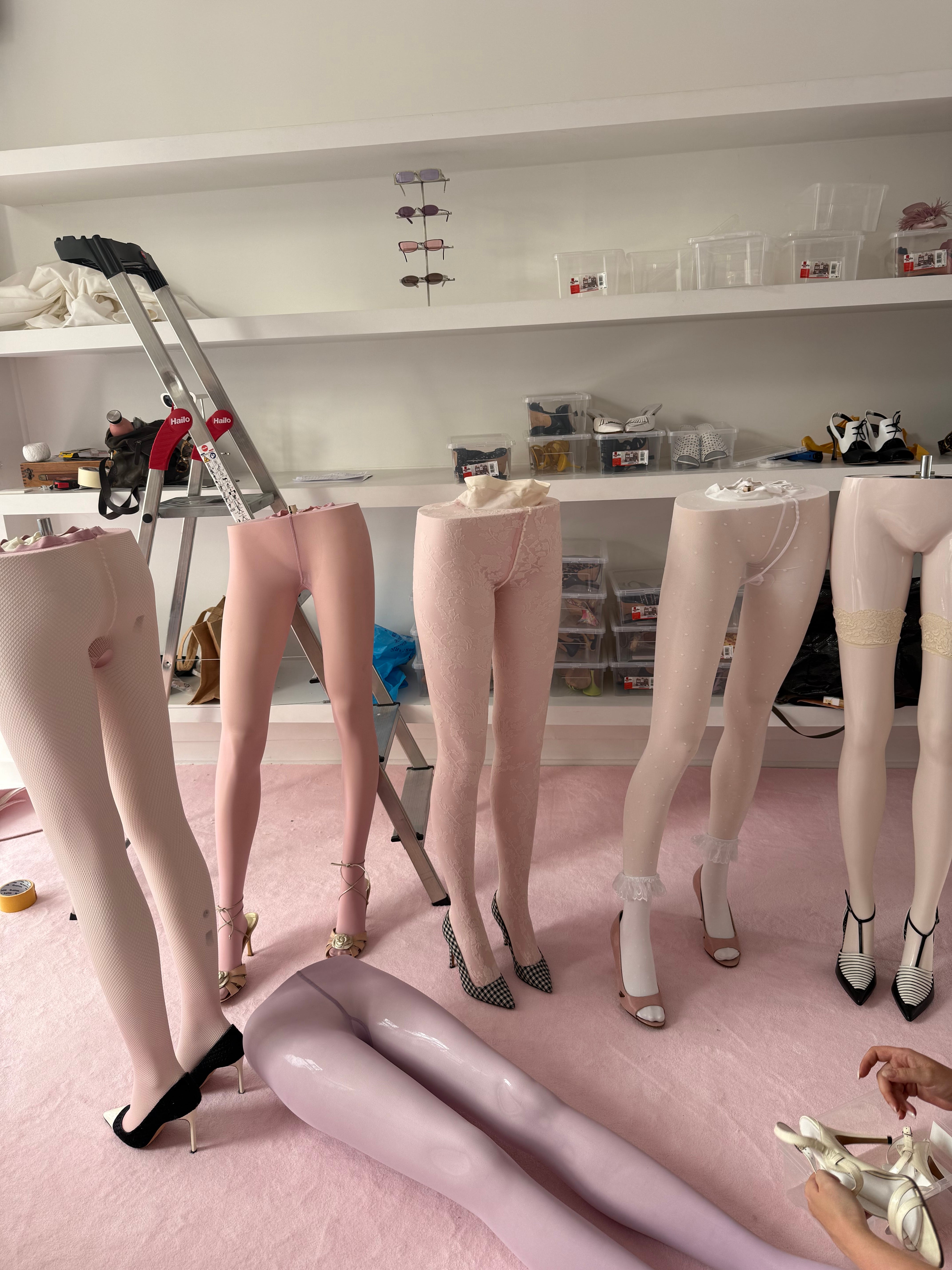
I’ve known the owners, Alexandra and Jules, for a few years now. I initially worked with them as a stylist, borrowing pieces from their archive for shoots. More recently, I started consulting on the image of their new store, Tallon Vintage, which is entirely dedicated to vintage heels. When Alexandra asked me to work on the creative direction for a Manolo Blahnik pop-up, I immediately wanted the window to become part of the project. I mixed a Guy Bourdin photograph for a Charles Jourdan campaign with Parisian cabaret imagery—think curtains, legs, heels—and pushed it into something very pink, theatrical, and doll-like.
So the Parisian Vintage window is actually a continuation of the Tallon window. Can you explain the connection between the two concepts?
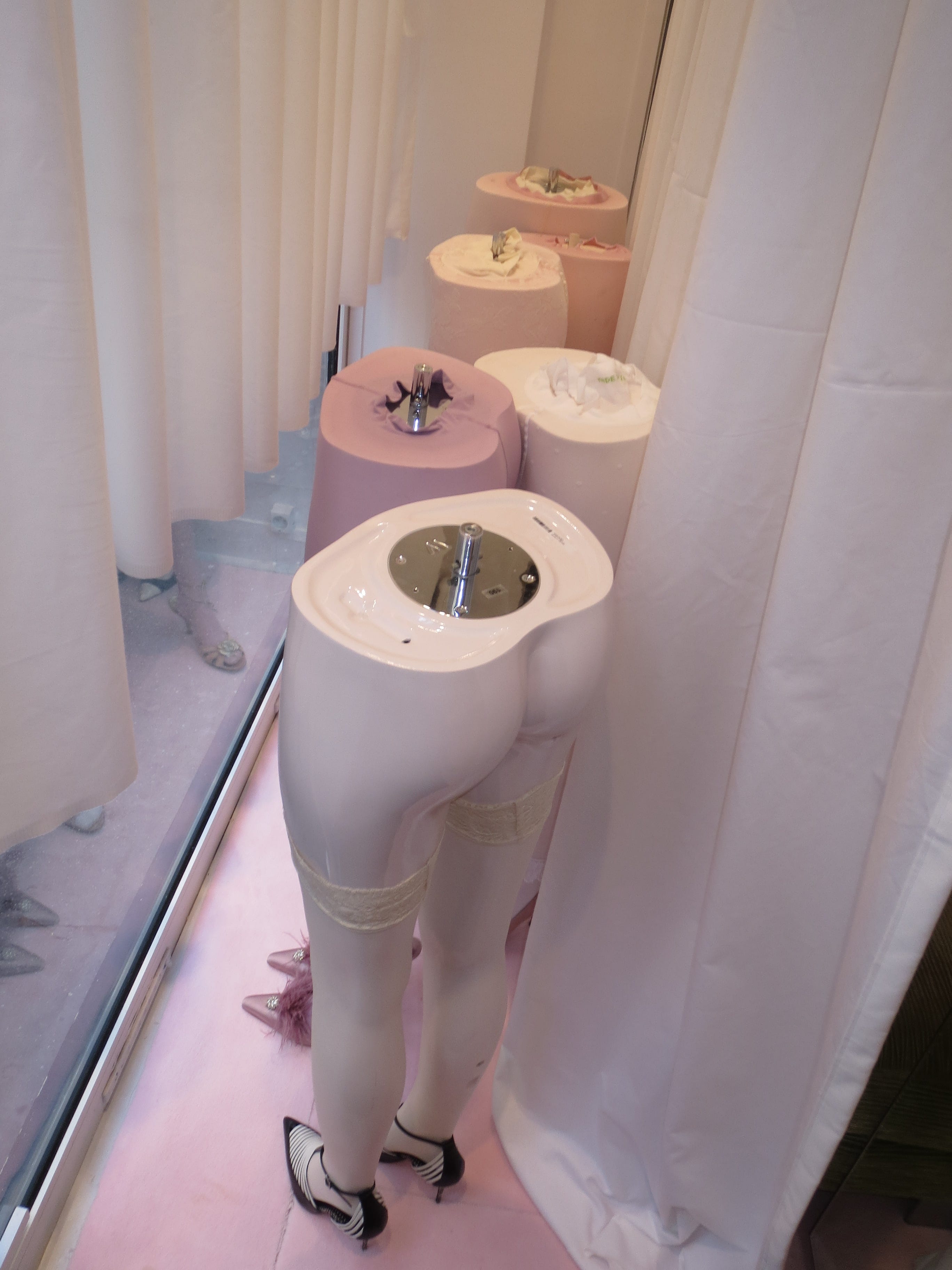
At Tallon, you could only see the women’s legs beneath the curtain; for the Parisian Vintage, I wanted to reveal the women who had been hiding behind it all along. I like the idea that these women travel through Paris: you see their legs on one street, then encounter the rest of them somewhere else. We reversed the composition, with a curtain hiding their legs and revealing their faces, hair and clothes. It was a reference to the brise-bise, the half-height curtains used in Parisian cafés to protect the intimacy of the people sitting inside.
Did you have particular characters or personalities in mind when creating the girls?
Sofia Khier, who worked on the set design, and Shams Gresh, who created the wigs, are two of my best friends. There was something quite childlike about creating these women together, almost like being little girls again, playing with dolls, dressing them up and doing their hair. Except this time, the dolls were life-sized and we had an entire window to play with. It was only once the window was finished that we started giving them names and inventing personalities: Mireille, Lolita, Linda, René, Simone, and Lily.
“I wanted it to feel alive, as if you had arrived in the middle of a scene.”
What were your hair references behind the giant blonde bouffant and that piled-up brunette updo?
The wigs came from this exaggerated idea of femininity: 1960s bouffants and beehives, old French cinema, dolls, and incredibly constructed salon hairstyles. We wanted everything to feel slightly too perfect and too big. There was a touch of Marie Antoinette in the sculptural updos, but filtered through a ’60s beauty language. Shams created and styled each wig, giving every girl a different character. We didn’t want them to belong completely to one period; they’re more like a fantasy of femininity made from different eras.
Can you break down one look?
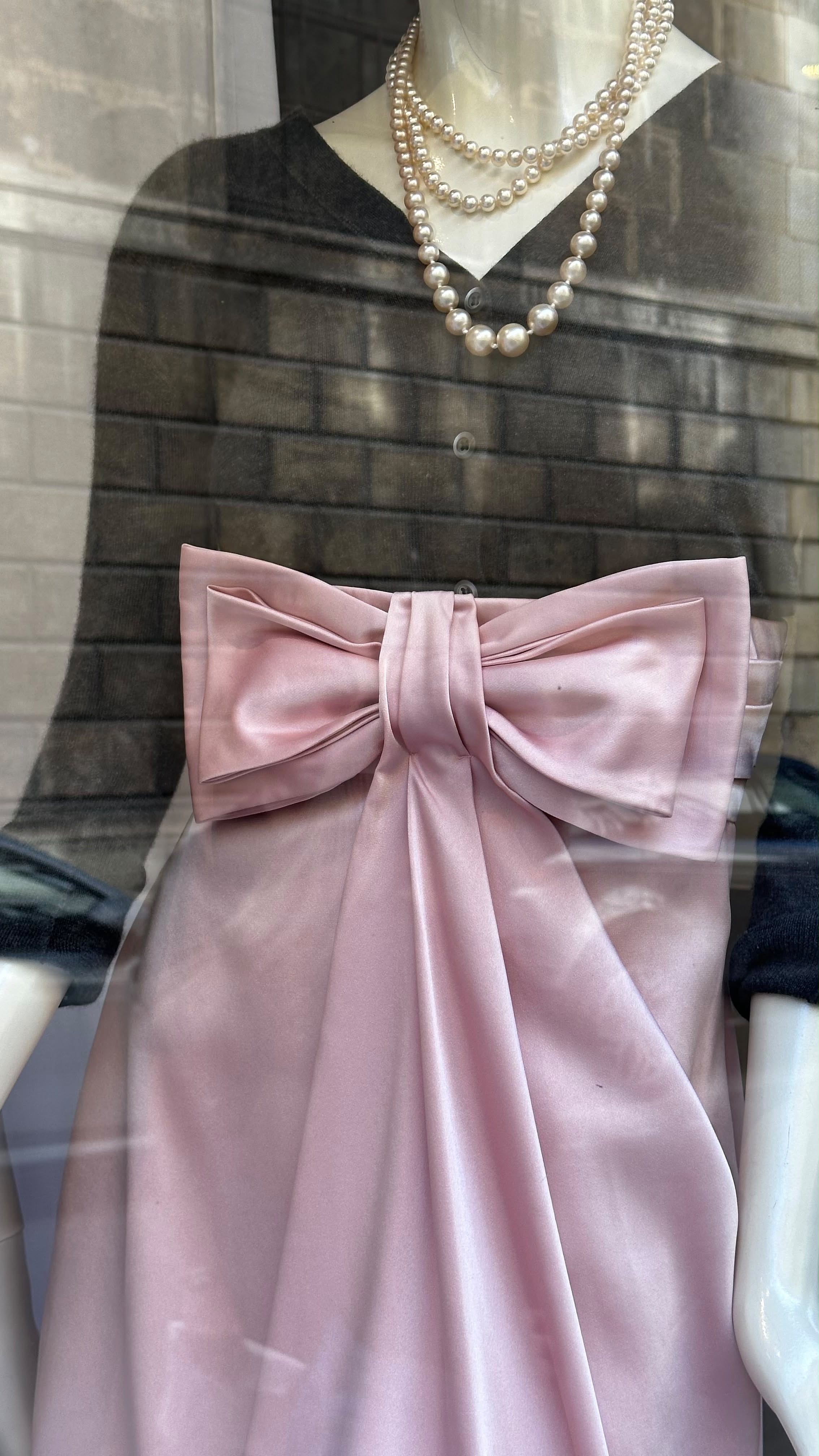
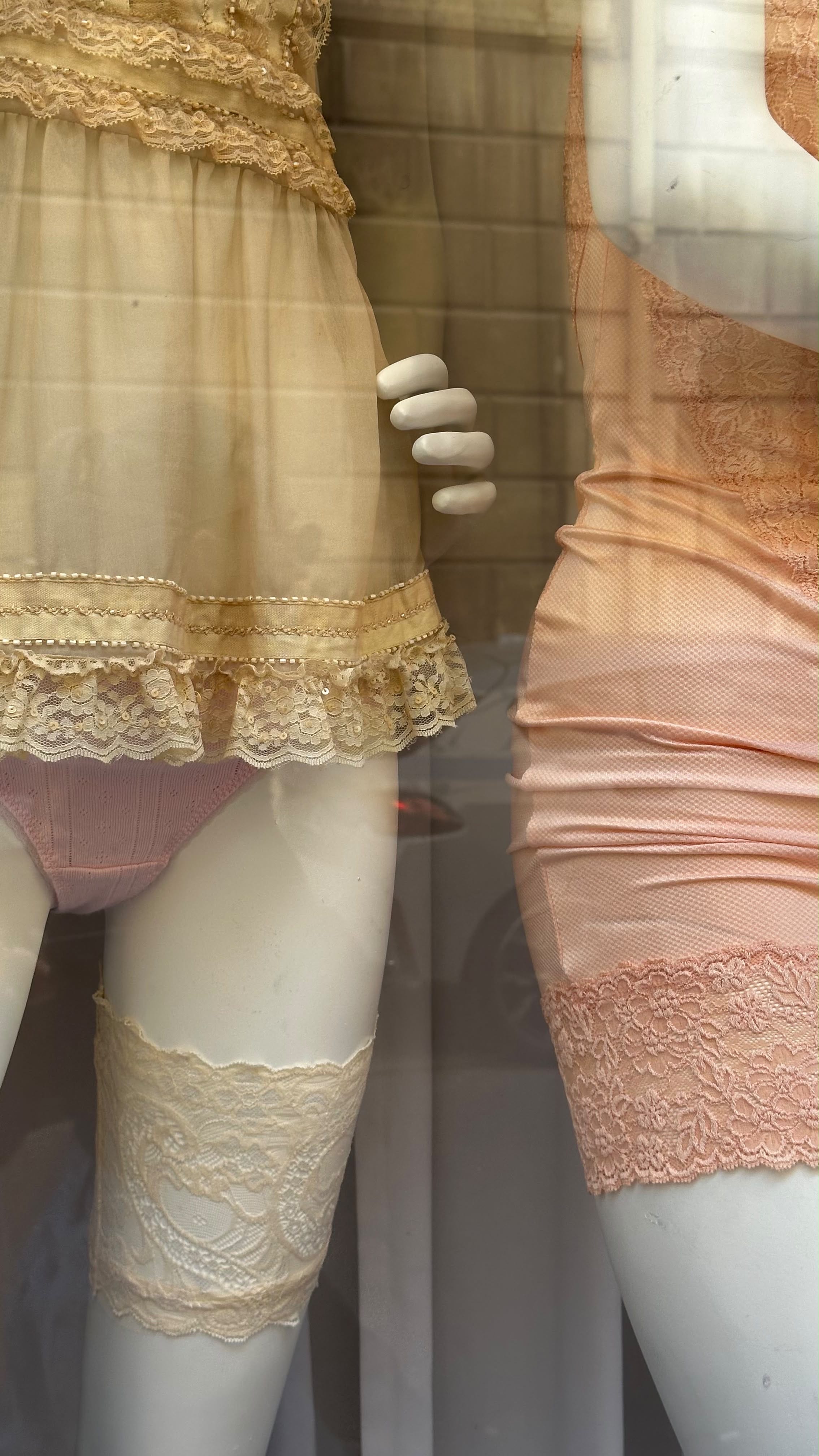
It’s difficult to isolate one look, because I never really thought about the girls individually. Every gesture, texture, and color had to work together. I started with the palette: pink balanced with black, beige, lace, and silk. Too much lace and it felt like a lingerie shop; too much silk and it became too shiny. I wanted it to feel alive, as if you had arrived in the middle of a scene. The final detail was the moment the six girls worked together as one, more like a film still than six individual looks.
What was on your mood board?
Bourdin’s work for Jourdan, especially the way he photographed legs and shoes. Then Tim Walker’s oversized, dreamlike worlds, where women can feel like dolls or imaginary characters; Marc Jacobs for that exaggerated femininity; and touches of Tim Burton’s Alice in Wonderland [2010]. And, of course, cabaret: old images of the Folies Bergère and the Lido, with its rows of legs, curtains and feathers. Very feminine and glamorous, but also theatrical, playful and kind of weird.
Which era has the best window displays?
I especially love the Lanvin windows under Alber Elbaz in the early aughts through the 2010s. The mannequins were characters, with strange poses, gestures, and attitudes. You always felt like you were catching them in the middle of something. That’s what I love about window displays: They are like tiny street theaters. They should make you stop and wonder what’s happening inside.