


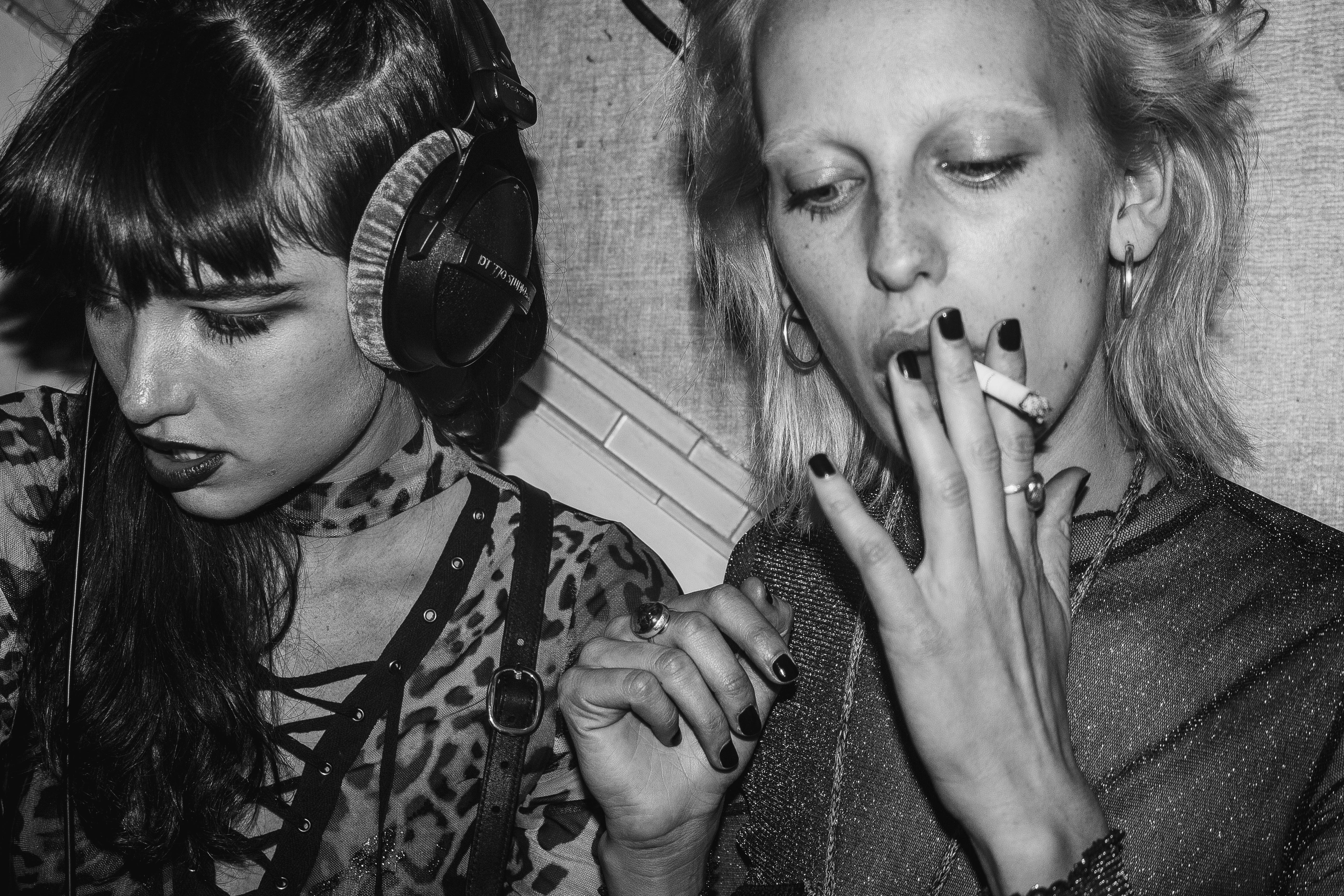
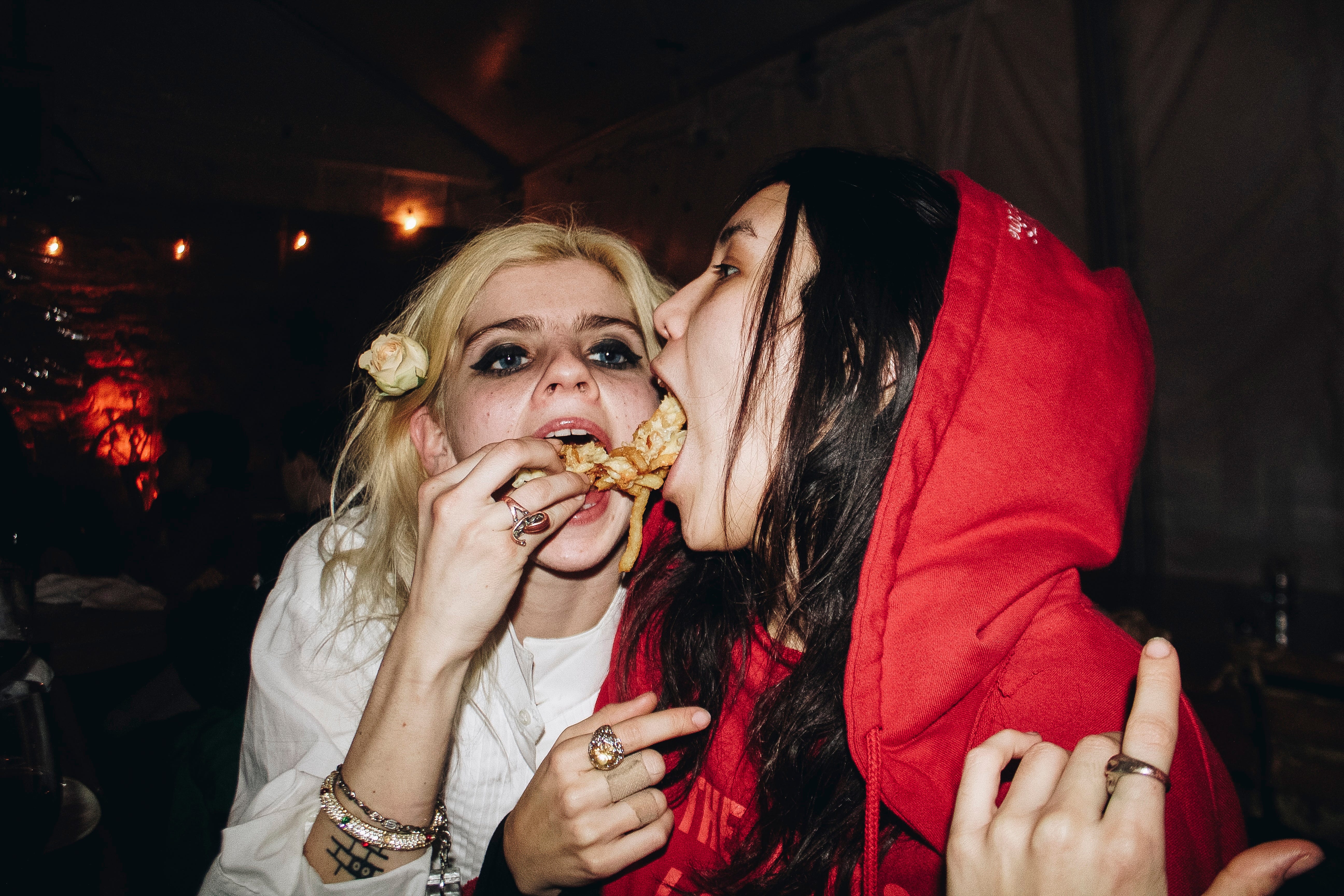
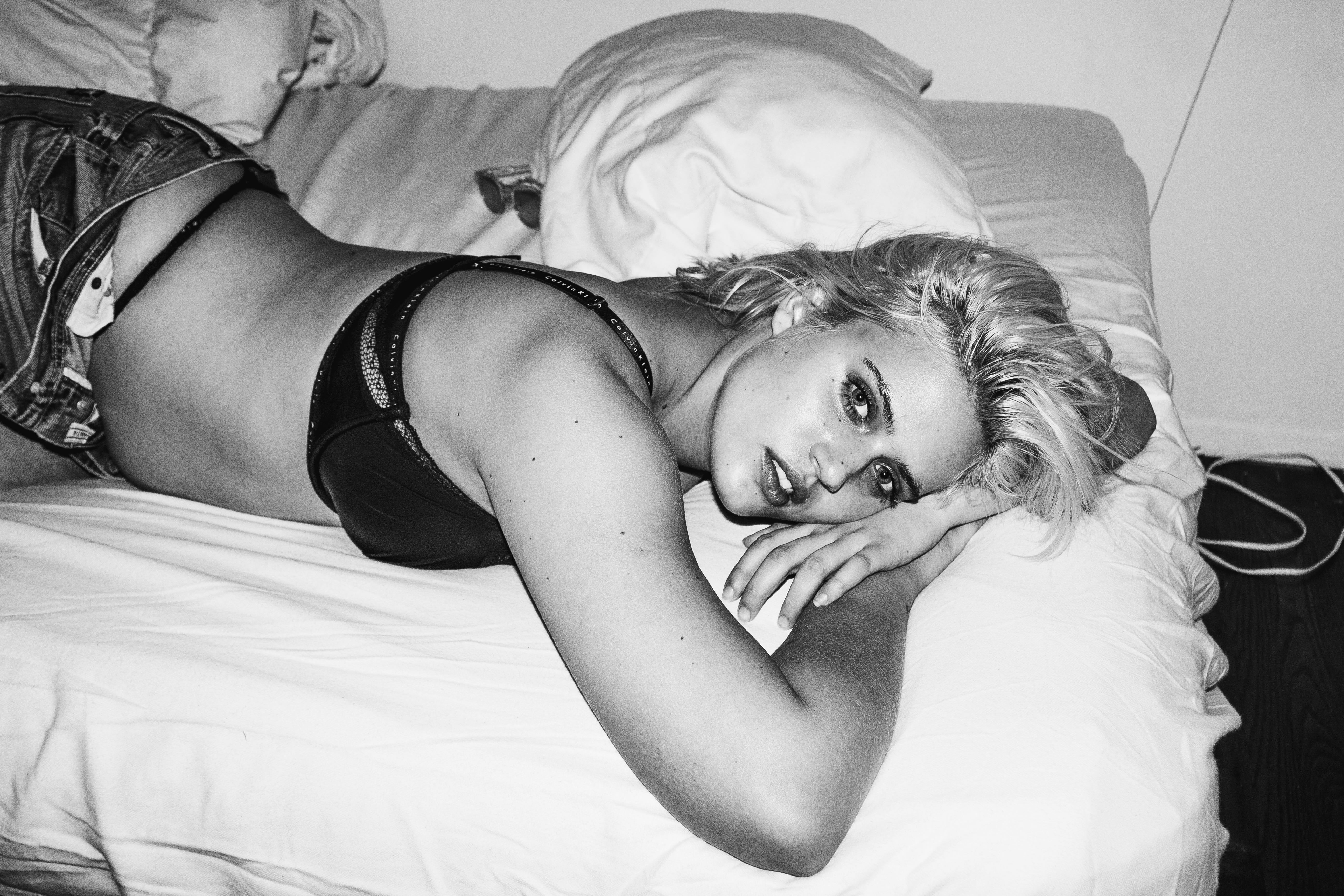
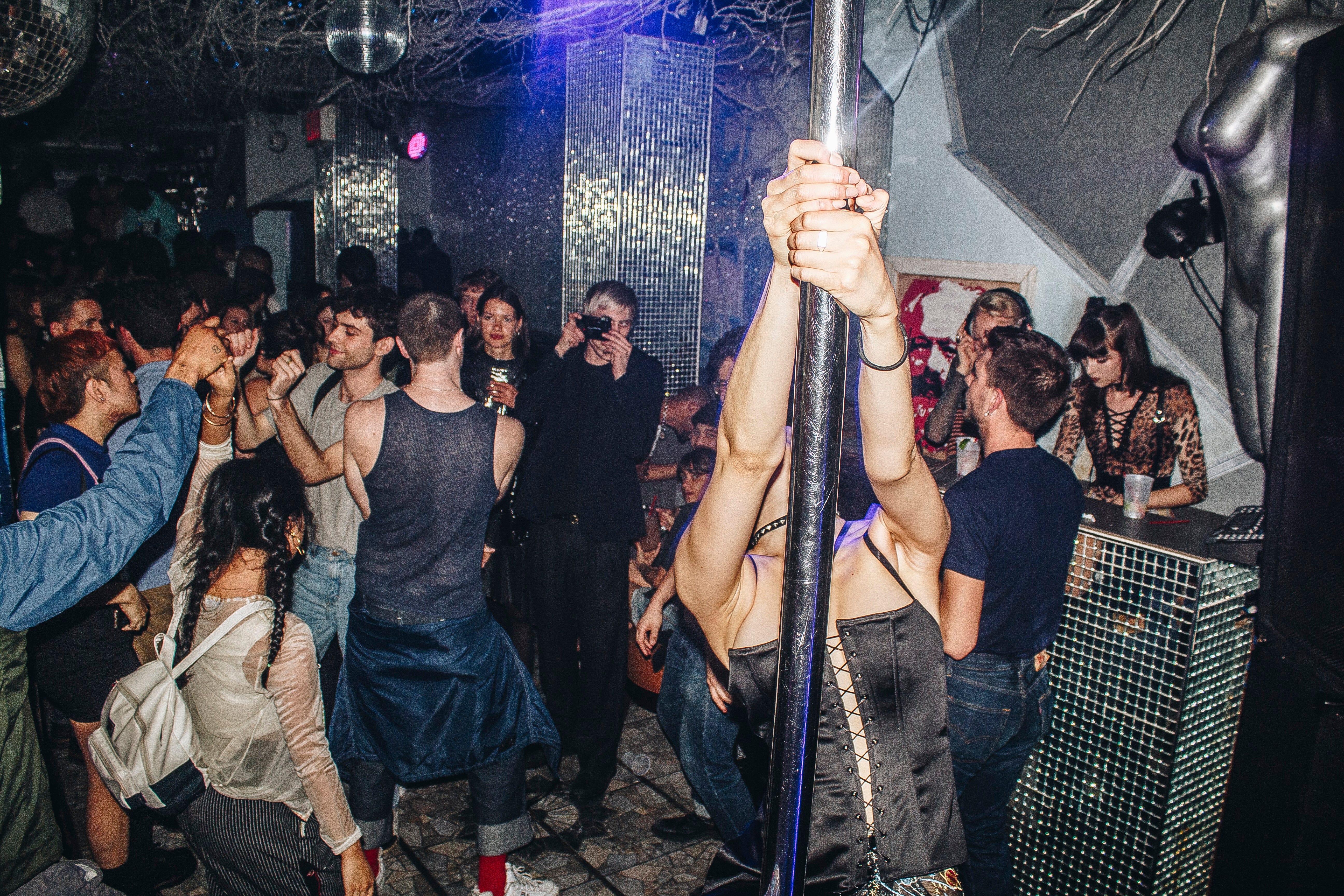
There was a time when it felt like every good night in New York ended up in front of Tyrell Hampton’s camera. After arriving in the city at 17, the dancer-turned-photographer soon found himself at the center of a downtown scene that revolved around places like China Chalet, Odessa Diner, and apartments where the night began after the club closed. With a point-and-shoot in hand and an invitation to seemingly every party in town, he began documenting the city’s after-hours cast. Collected in his debut photo book, Last Call Vol. 1, the images capture New York nightlife between 2016 and 2018, just before social media turned every night out into content. Featuring countless friends and regulars, including future stars like Paloma Elsesser and Gabbriette, the book reads like a yearbook for a generation on the cusp of stardom. Now, a decade later, as Hampton prepares to leave that chapter behind, he looks back on New York then and now.
What made now the right time to put these photos in a book?
The goal is always to make something tangible, and right now I’m kind of hanging up the party hat, not going out as much, so I thought, Why not now? I also just wanted to let these photos have a life of their own instead of living on the Internet so I could really focus on my next adventures.
Do you remember the first photo you took?
The first image in it is of my friend Coco. It’s this greenish black-and-white photo taken at a party at her house.
When you look back at those years, what feels most different to you?
Back then we were just going out to have a good time. At least personally, I was trying to find my community. I feel like now people aren’t really interested in growing connections in the same way. It’s nostalgic to think about how we snuck into parties, fashion shows—I just wanted to experience everything New York had to offer. I’m also obsessed with the ’70s and Studio 54. That era of freedom and joy really resonates with me, so when selecting images for the book, I tried to pick photos that captured that same feeling.
Are there places in the book that don’t exist anymore that you miss?
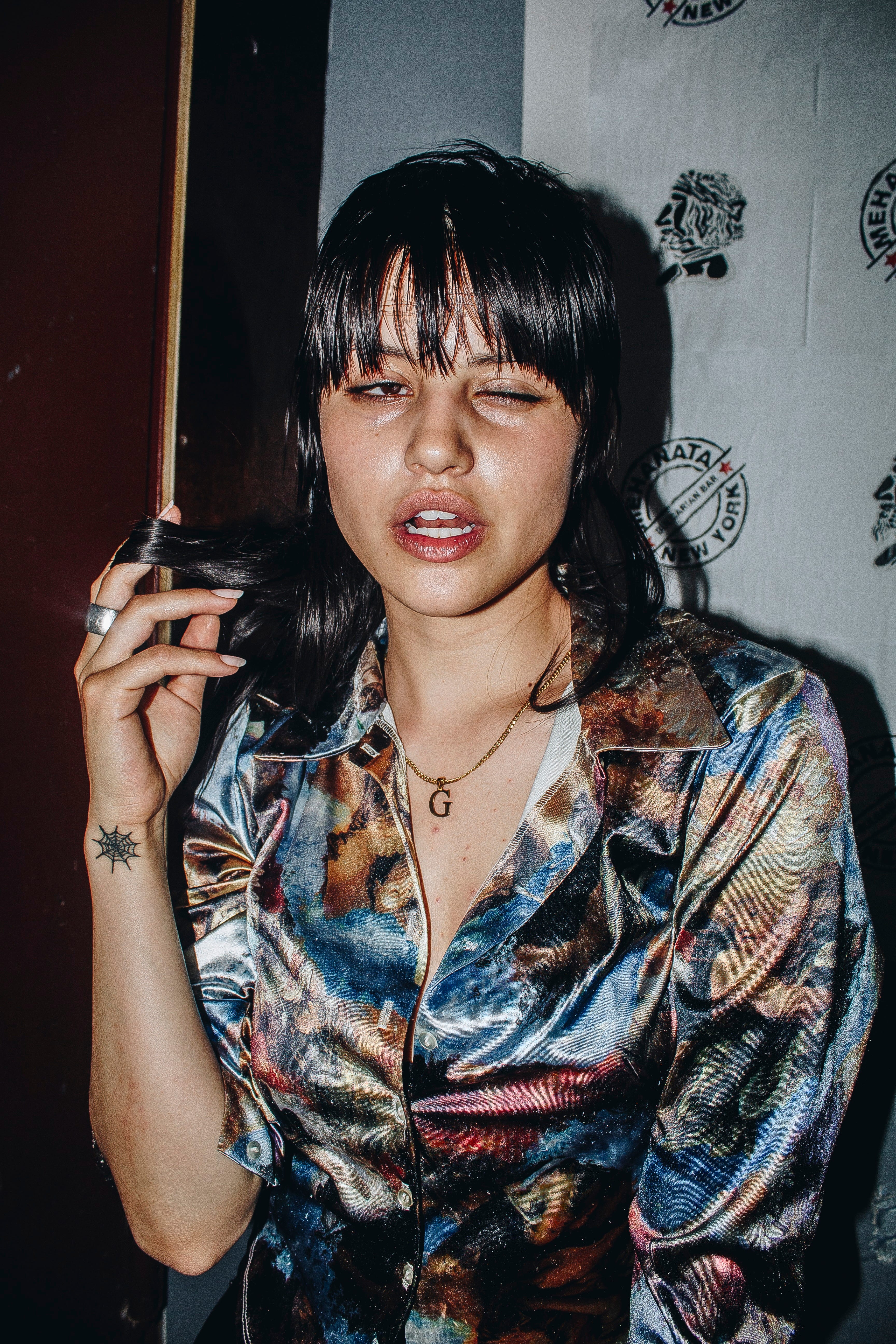
Oh my gosh. China Chalet, number one. Better Days, number two. Mehanata is still around, but it’s not what it used to be for the community. There was also Paul’s Baby Grand, but I don’t know if it’s still really a thing. Soho Grand used to be a thing too.
Was there anything that shocked you when looking through your archive?
How few photos I actually took. I feel like I take more now. Back then I was much pickier about moments. Looking back, it was actually very easy to make selections because I’d only have four, five, maybe seven images from a night. Most of the images in the book were one-offs where I just happened to be in the right place at the right time.
Has anyone been surprised seeing themself in the book?
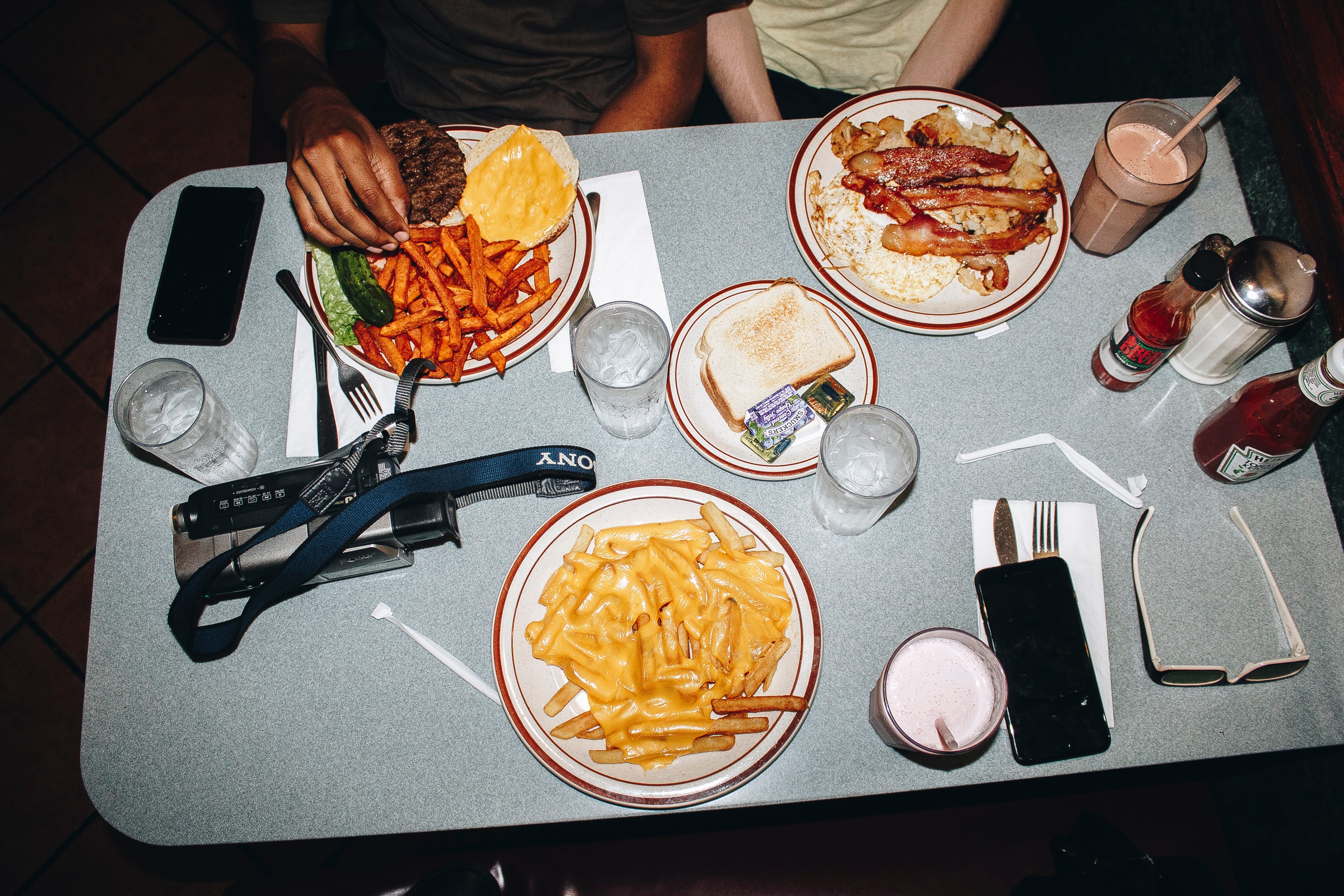
Yeah, mostly everyone. A lot of people have been reminiscing about Odessa Diner, which appears throughout the book. It’s a vegan burger place now. It’s been really nice hearing people say, “Oh my God, I was at that party,” and then look closer and realize they’re in the background. There’s also a Pat McGrath party at China Chalet with Vogue that people bring up a lot.
Do you feel as inspired today as you did back then?
New York doesn’t inspire me that much anymore. I actually feel more inspired in Los Angeles. That’s another reason I felt it was time to let the book and those images have their own life. New York feels a little redundant now. We know how things are going to play out. Even in the gay scene, there are only so many bars and places, and you know what to expect. I love coming to LA because it feels like a different world. Instead of going to the club, you’re at someone’s house. Instead of going to play pool, you’re actually swimming in a pool. It’s a nice change and gives me a fresh set of eyes.
How did you build trust with people when photographing them, especially in the moment?
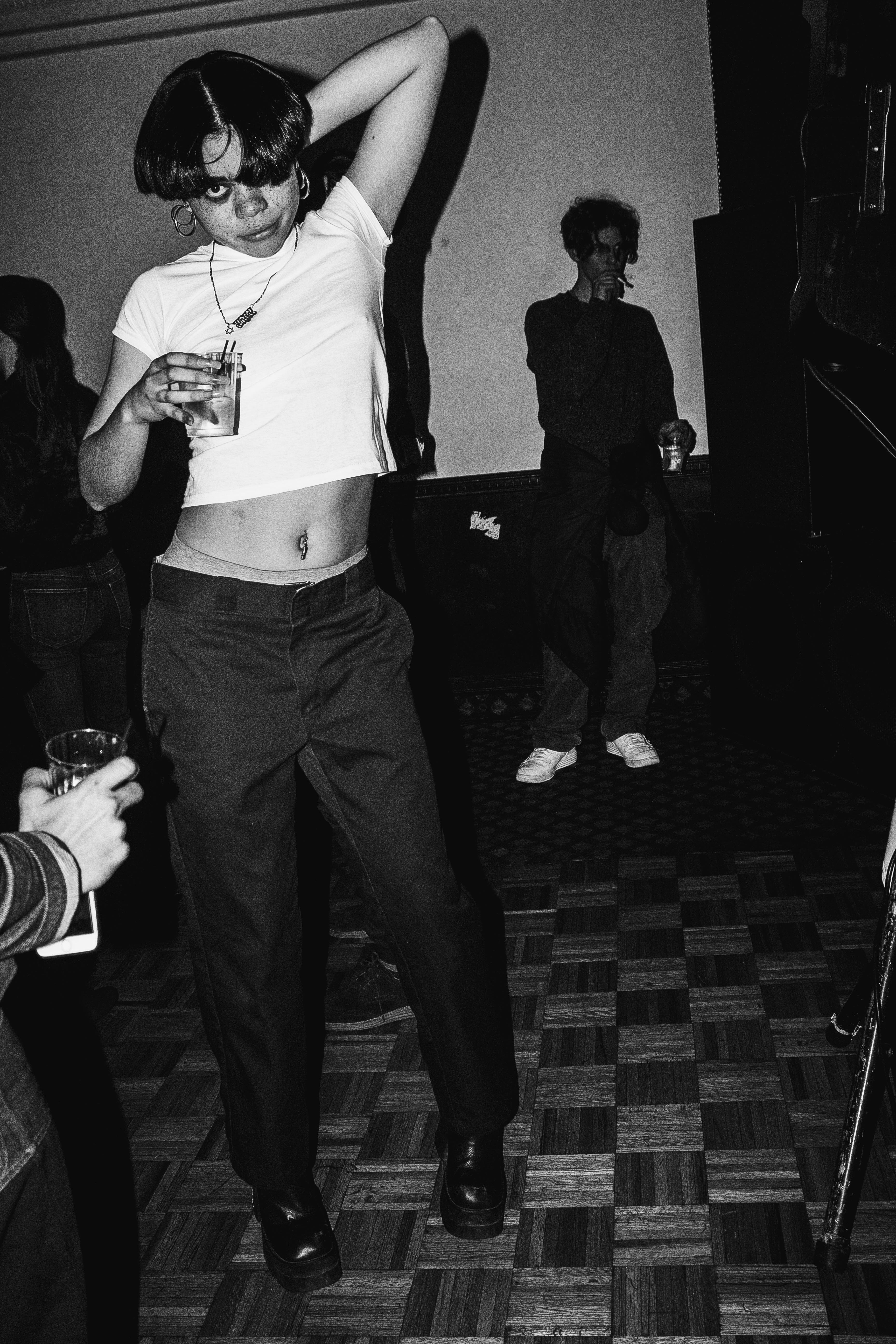
I don’t know. Maybe because I have kind eyes—that’s what people tell me. Or maybe it’s my smile. I’ve been told I have a welcoming spirit and that I don’t give off vulture vibes. It’s always been nice to just roam through a party. I was shorter back in college than I am now, so it was easy to disappear into a crowd, take a photo, and vanish again. Being a little weasel-y was definitely part of it.
Is there one image in the book that means the most to you personally?
The self-portraits, because they remind me that I was actually there. I know I was, obviously, but being in the image as a subject is special. Though I will say, most of those self-portraits exist because I forced whatever friend I was with to take the photo. I’d be like, “Okay, now it’s my turn.”
If you could go back to the version of yourself who took these photos, what would you tell him?
Stop using your fake I.D., and maybe stop eating so much sugar. Also, honestly, I’d probably tell him to get braces sooner. I got braces right before Covid. If I’d done it earlier, maybe things would have been a little different.
Has your relationship to these images changed over time?
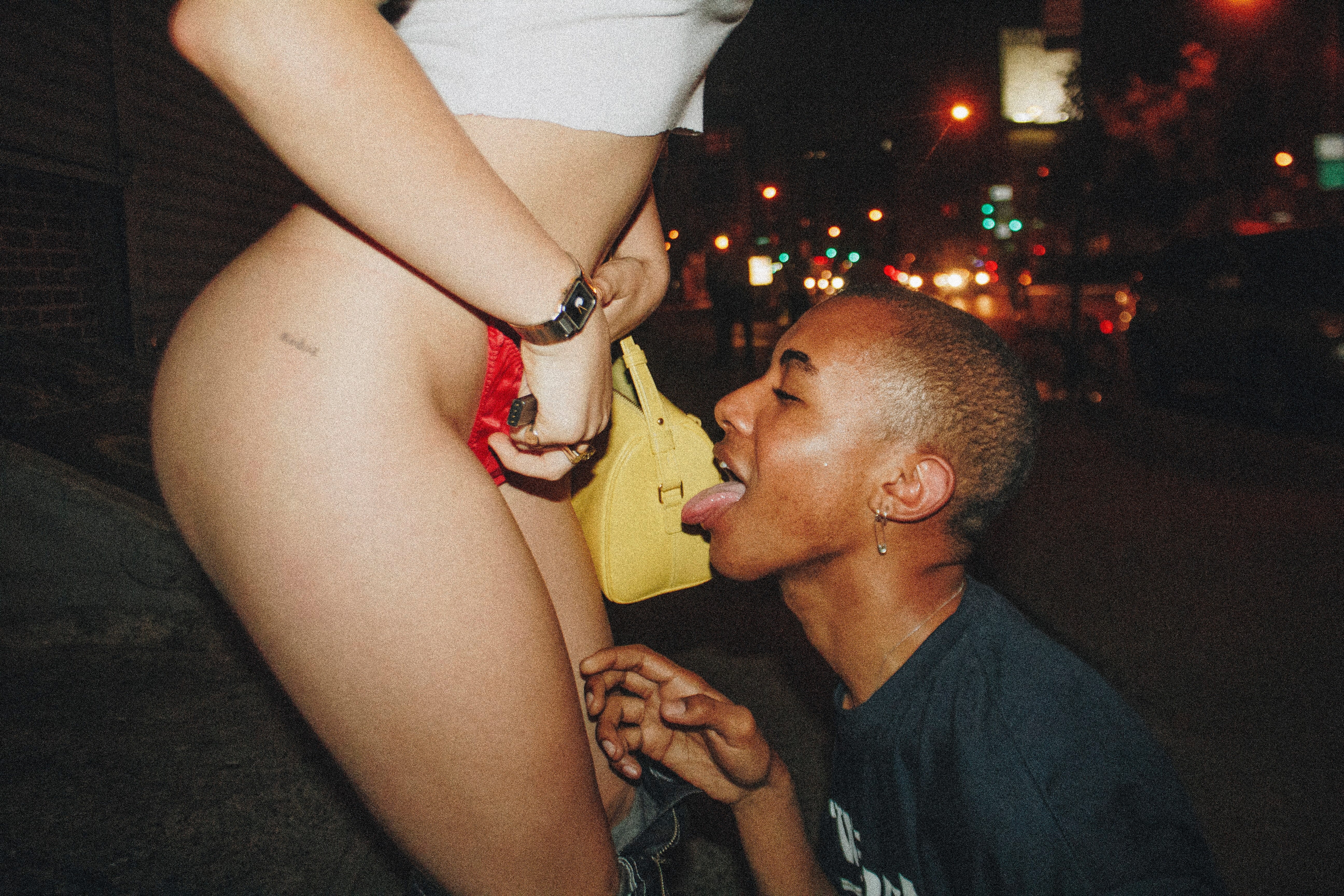
I definitely romanticize them more now than I did in the moment. At the time I just thought, Cute, fun. I wasn’t really thinking about what they might become. I also never imagined that many of the people in the photos would become who they are today. Looking back, it feels like a yearbook. And I can’t wait for the next one, which comes out next year.
“Tyrell Hampton: Last Call Vol. 1” will launch with a signing at Climax Books London, 8a Herbal Hill, EC1R 5EJ, on July 10 from 6-8 PM.