


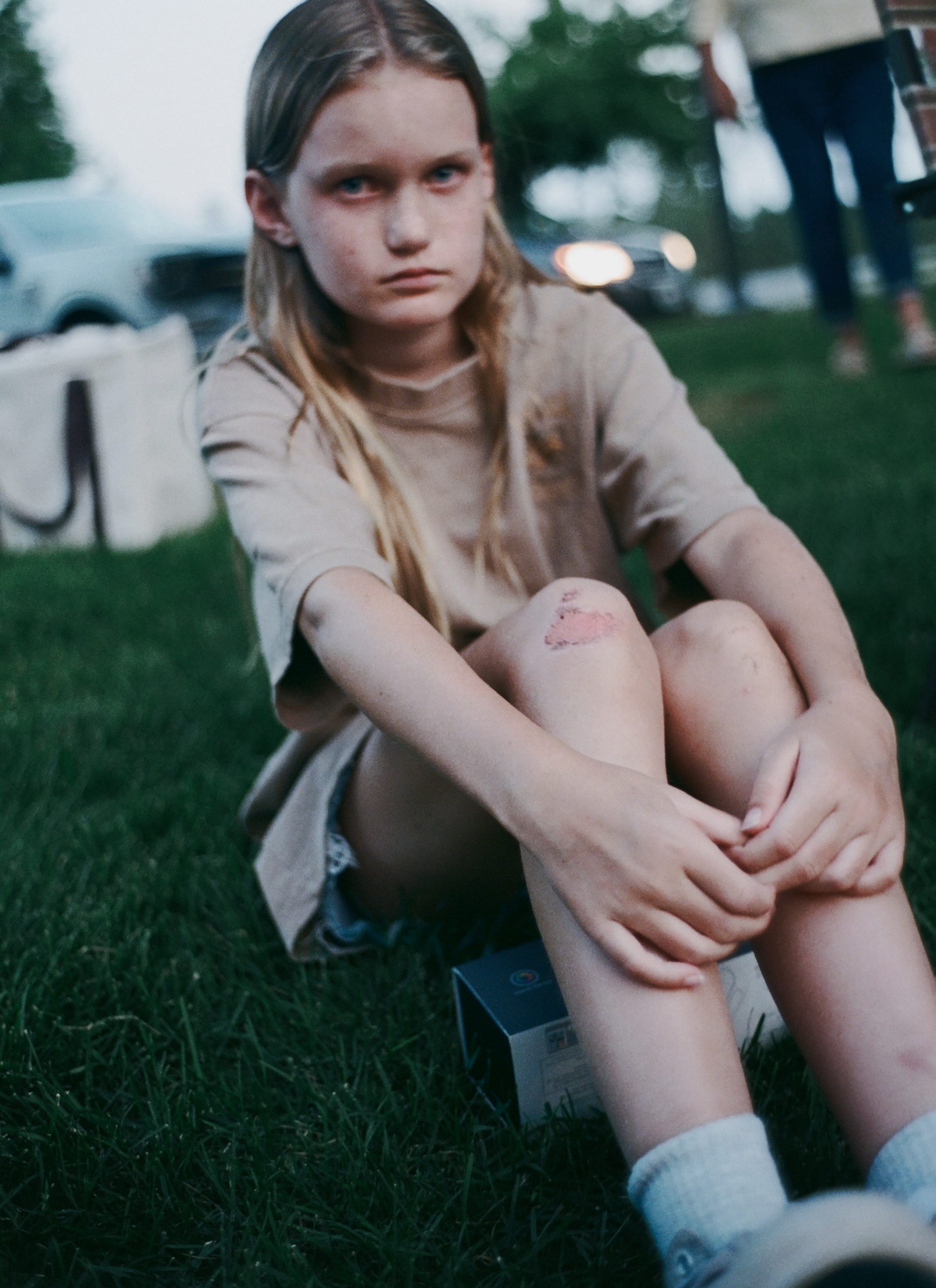
Kendal Walker got her first point-and-shoot in middle school and never put it down. Since then, the 24-year-old has photographed whatever holds her attention: friends, strangers, farm animals, gas stations, empty roads, nights out. Eight years of those images now make up Tracks, her debut monograph and first solo exhibition presented at Manor Place in London, tracing her path from Heber, Utah to New York, London, and eventually back to New York. The scenery changes, but the pictures keep circling the same ideas: home, relationships, and the different versions of yourself you pick up along the way. Below, Walker talks growing up in the Wasatch Mountains, Wolfgang Tillmans, and why she still carries a camera everywhere.

Do you remember the first photographs you took?
My parents gave me a point-and-shoot digital camera when I was 8 or 9. I found it recently, and it has a bunch of photos from a Red Sox game, plus a lot of random blurry images that I love now.
Have you always wanted to be a photographer?
I’ve always been interested in art. As a kid, I loved to paint and draw, and when I was 14 I photographed my cousin’s wedding, which brought me to taking photos all the time. For a while, I viewed my art and photos as separate but in high school they started to morph into documentation in a more serious way.
“I tend to see images as fragments, and editing is how I turn them into a story.”
What was it like growing up in Utah?
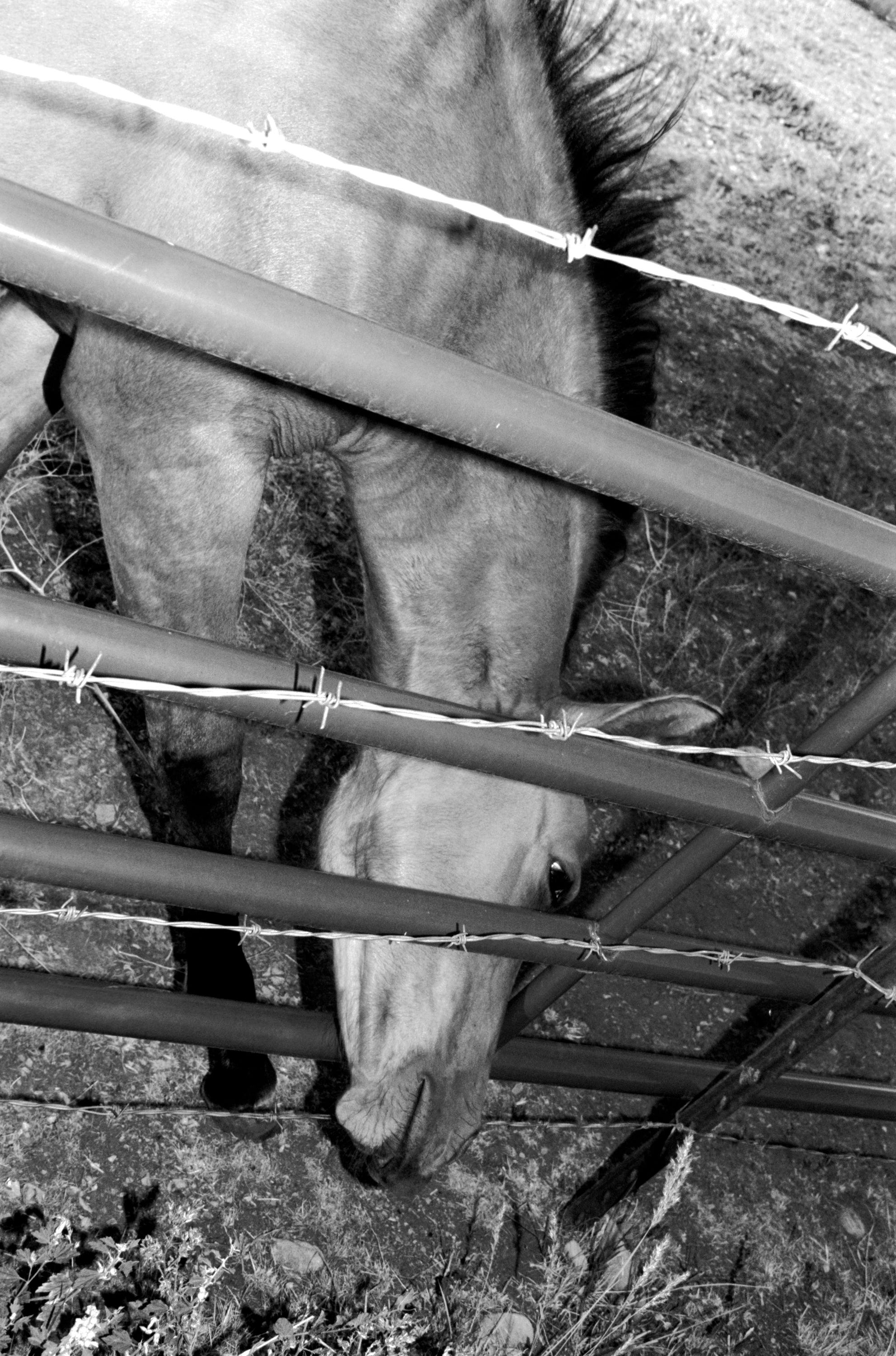
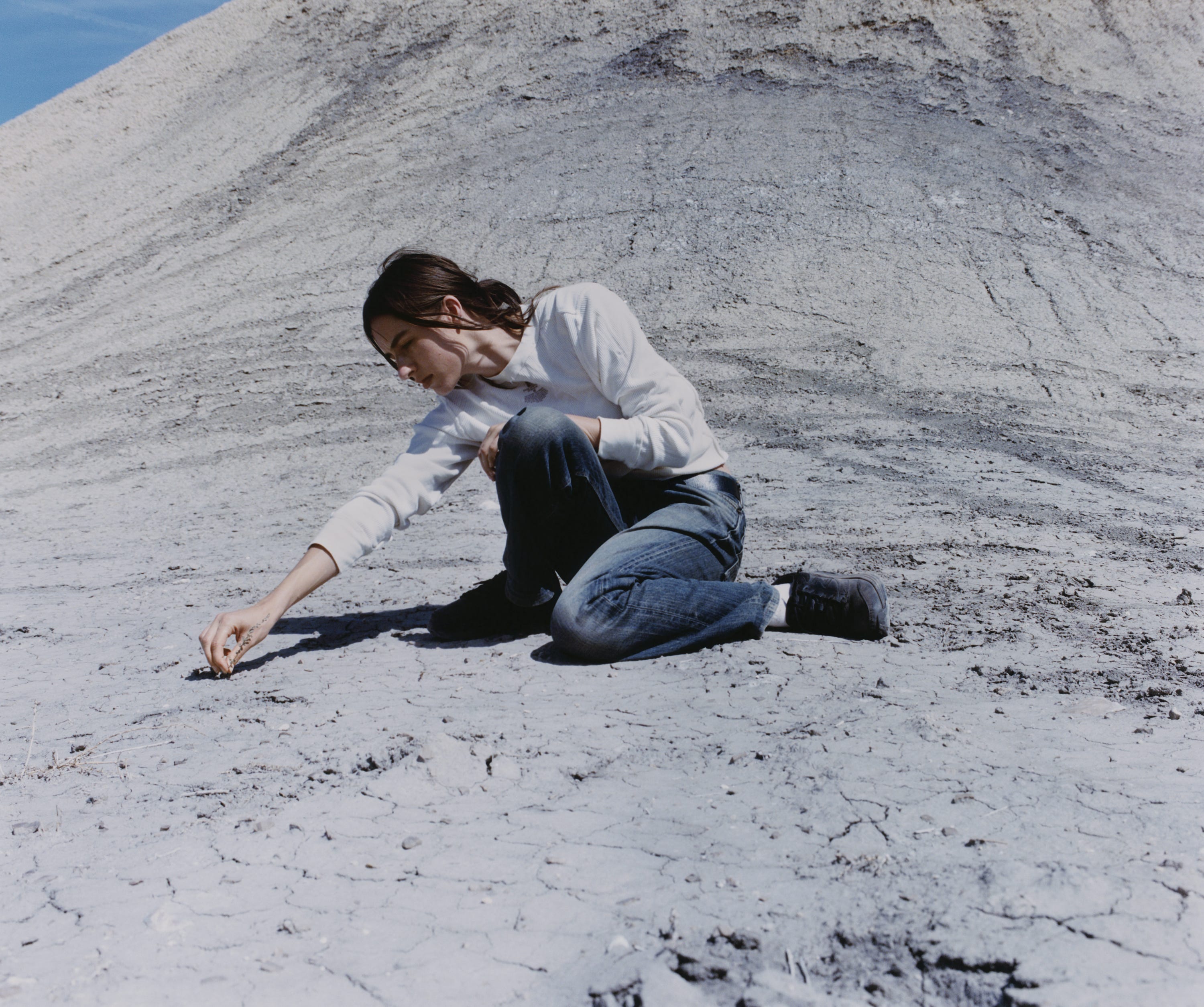
I grew up in Heber, a rural town in a valley in the Wasatch mountains. It’s quiet with vast environments, which I still reference in my pictures. I was really allowed to be a kid there. I played softball, went to the fair, and parked my truck in a lot called the cowboy parking lot. Now I go in and out of feeling at home there and like a visitor. Taking photos helps me process that. I’m always photographing diners and gas stations. I still really want to shoot the rodeo and demolition derby.
How do you know you’ve taken a good photo?
When it reflects some part of life or feeling back at me. We digest so many images every day, I think that taking a photo that can provoke an emotional reaction requires a certain realness. You feel like you can live inside them.
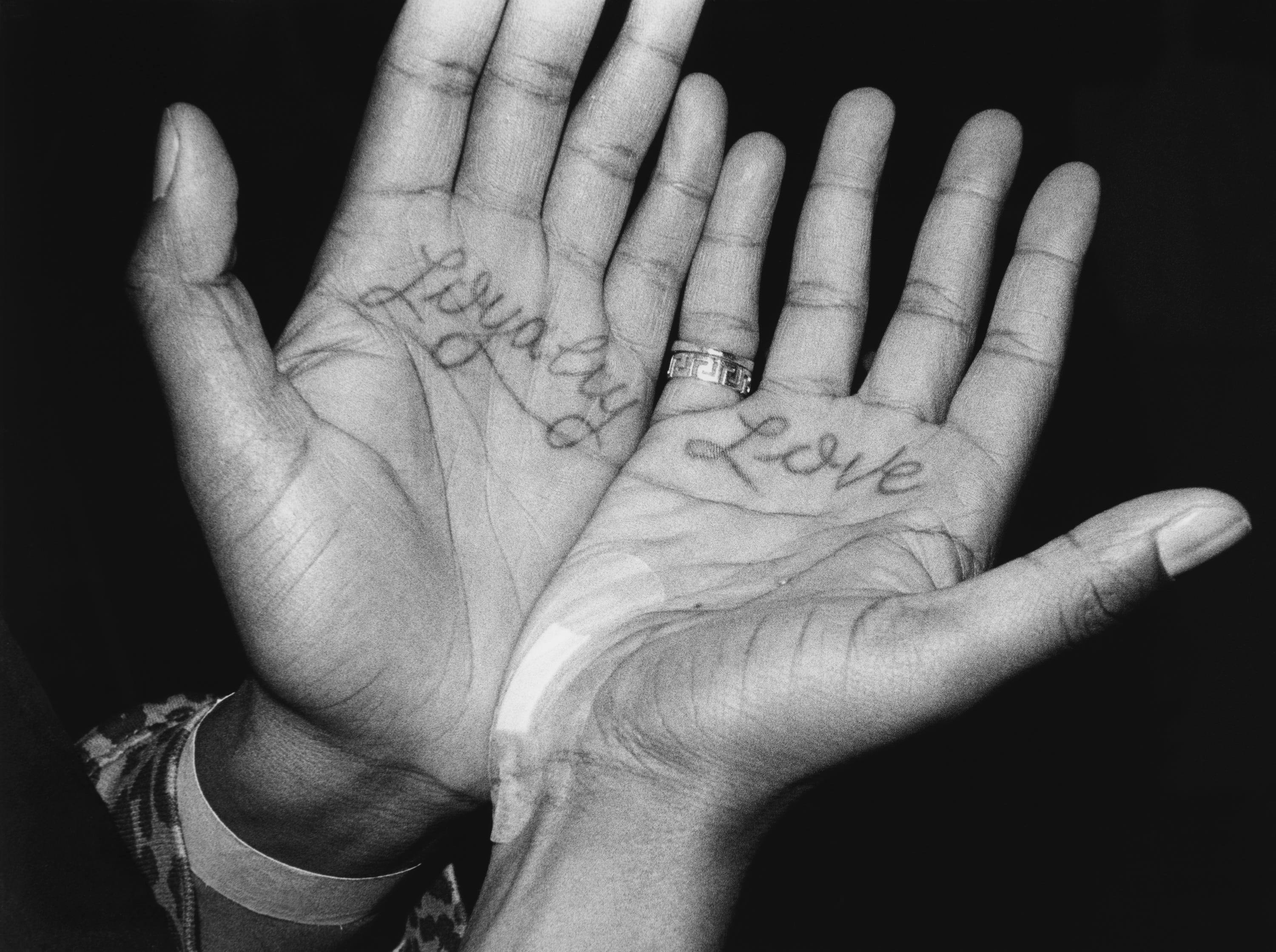
Who are your subjects in Tracks?
Mostly people who orbit my life, along with people I’ve met on the street. I try to make everyone feel comfortable enough to bring their own energy into the image. That meeting between someone’s individuality and my lens is what keeps portraiture so beautiful and interesting to me.
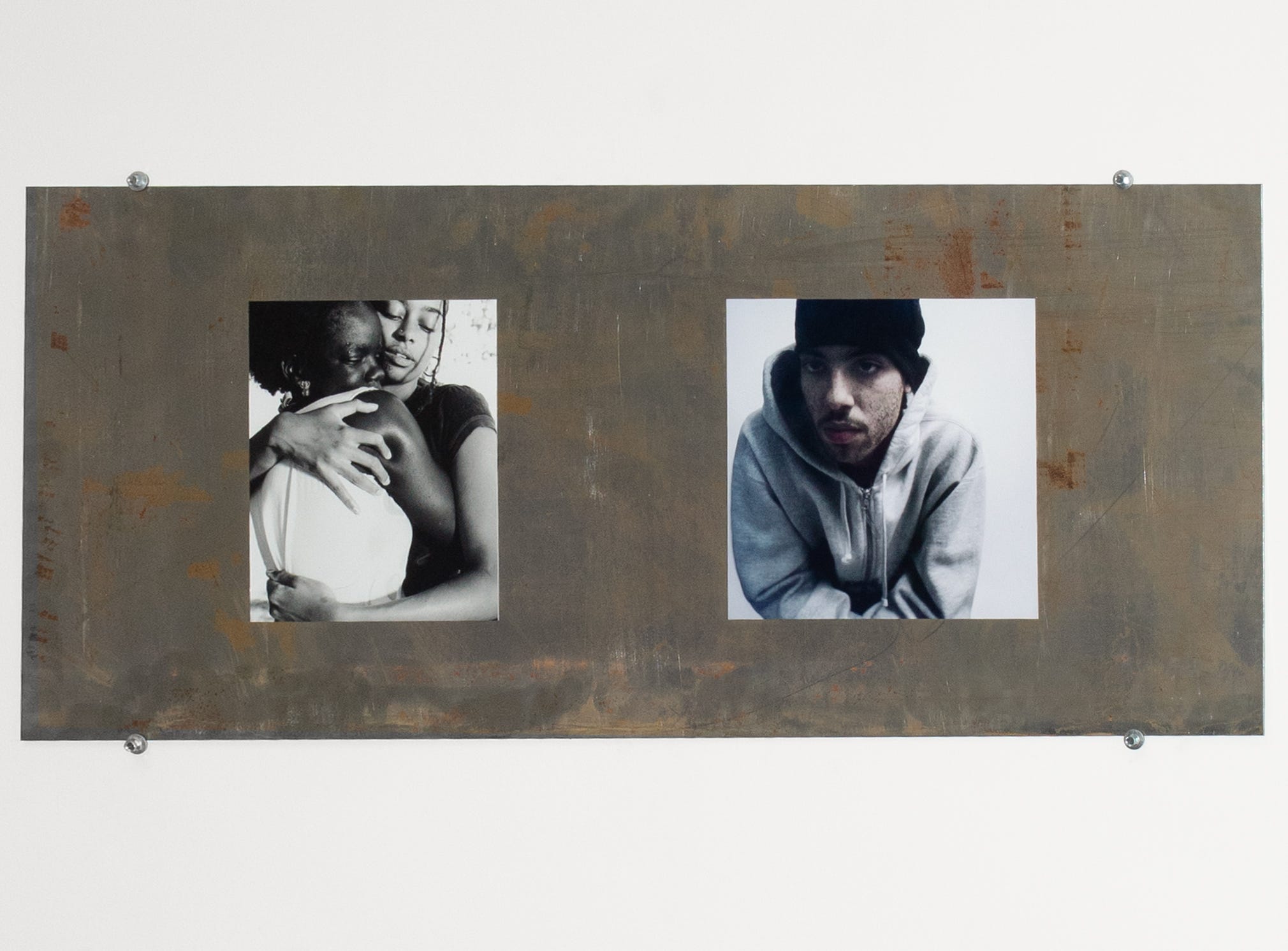
Who are your favorite photographers?
I referenced Wolfgang Tillmans a lot while editing the book and exhibition, especially the way he recontextualizes images through pairings and material. I tend to see images as fragments, and editing is how I turn them into a story. Davide Sorrenti was another early influence. I was drawn to how intertwined his life and work were; his earnestness was really inspiring. Lately I’ve been looking at Liz Johnson Artur, Deana Lawson, and Nan Goldin. They’re all women who have made work that’s powerful in its honesty, with a real reverence for their subjects.
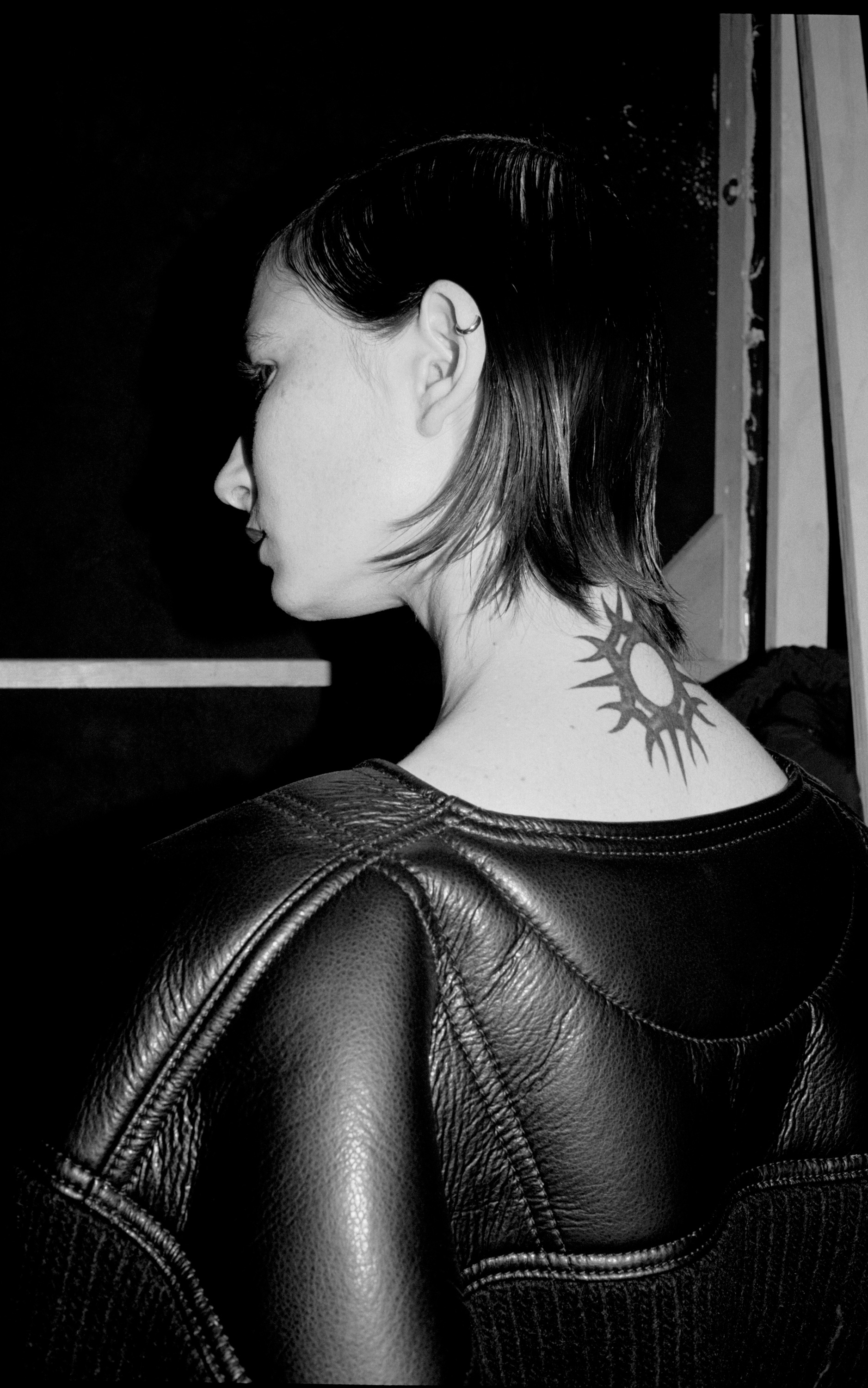
Do you listen to music when shooting?
Always. Usually something hazy or ambient, and if I have time I’ll make a playlist beforehand. My last one had Siouxsie and the Banshees, babyxsosa, Salem, Babyfather, Brian Eno, Birth Day, John Glacier, and Klein. If I’m photographing someone, I ask them to play their own music. It usually puts them at ease and helps me get to know them a bit more.
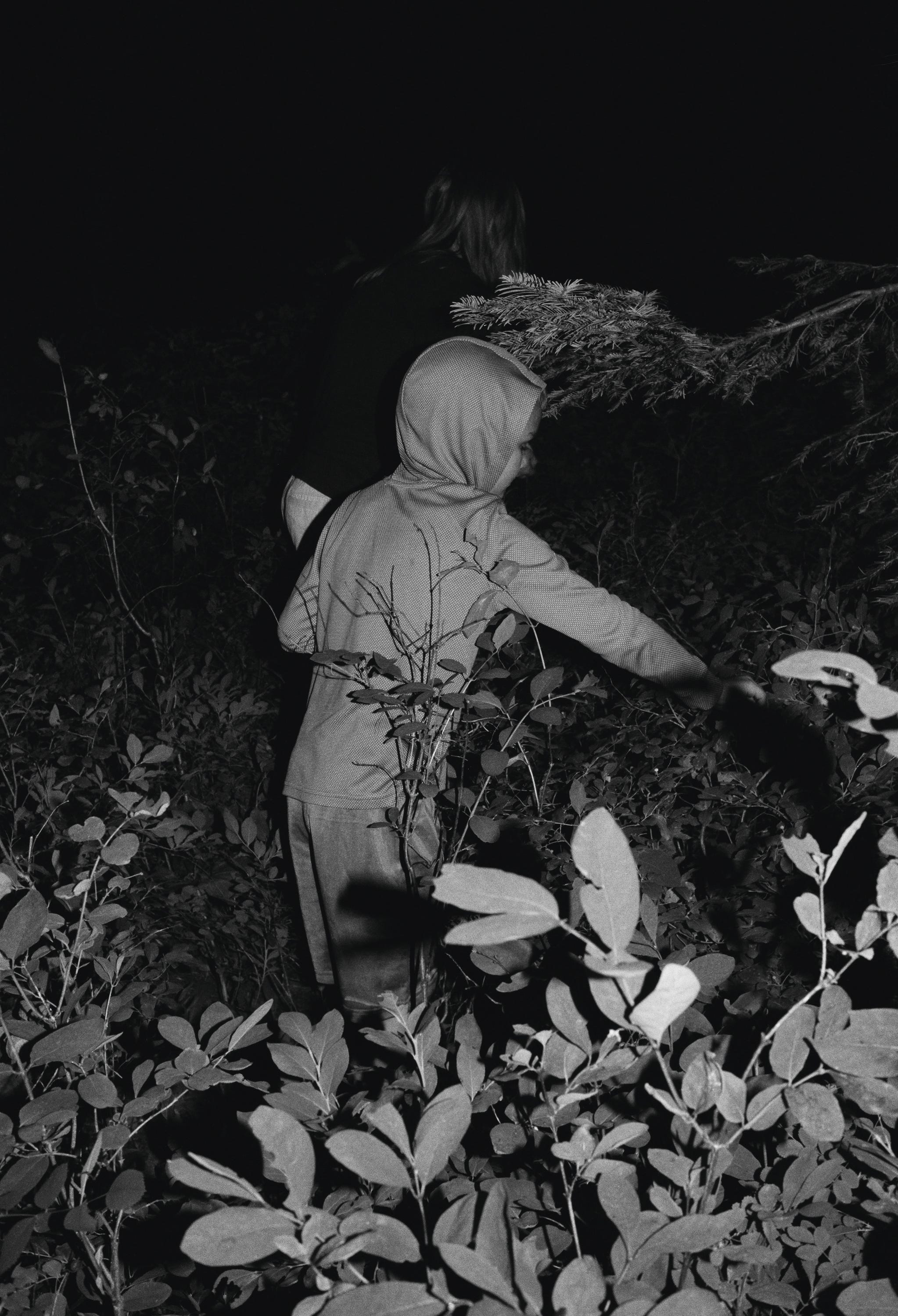
Do you see the shot before you take it?
Usually. I’d say it’s an 80–20 split. My photos are more of a creative interpretation rather than exact documentation, so I build references beforehand to shape the environment around a certain feeling. Then there’s the other 20 percent, where something unexpected just appears. It’s why I always have my camera with me.
“Taking a photo that can provoke an emotional reaction requires a certain realness. You feel like you can live inside them.”
London or New York?
Honestly, I could never pick. New York was the first place I spent real time in after Utah, and it taught me a lot. The intensity somehow makes me calmer and more focused. I moved to London at 19, and it was the first place that felt like home after leaving. All I can do is admire and be thankful for them both.
What’s always in your camera bag, besides your camera?
Wired headphones, usually two pairs knotted up.
Is it different seeing your work in a book versus in a gallery versus digital?
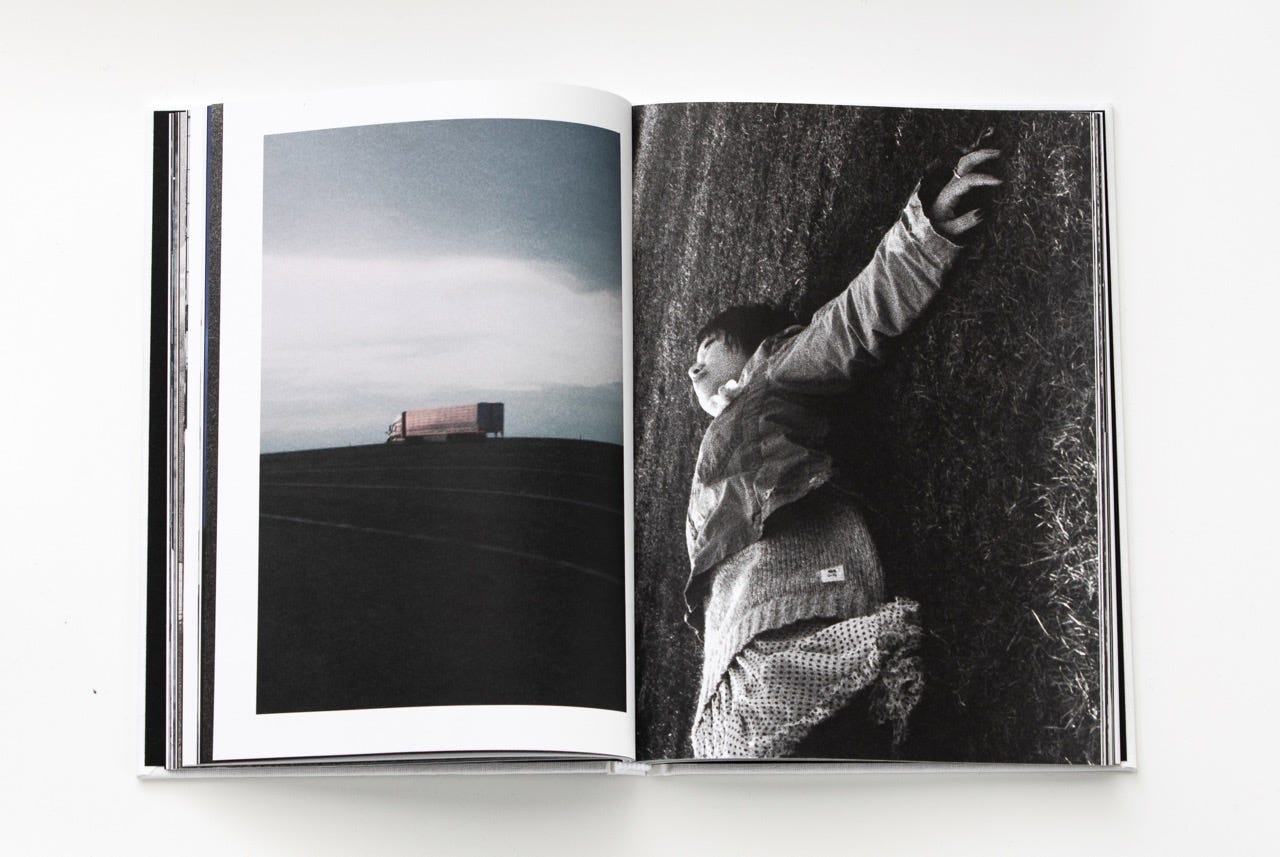
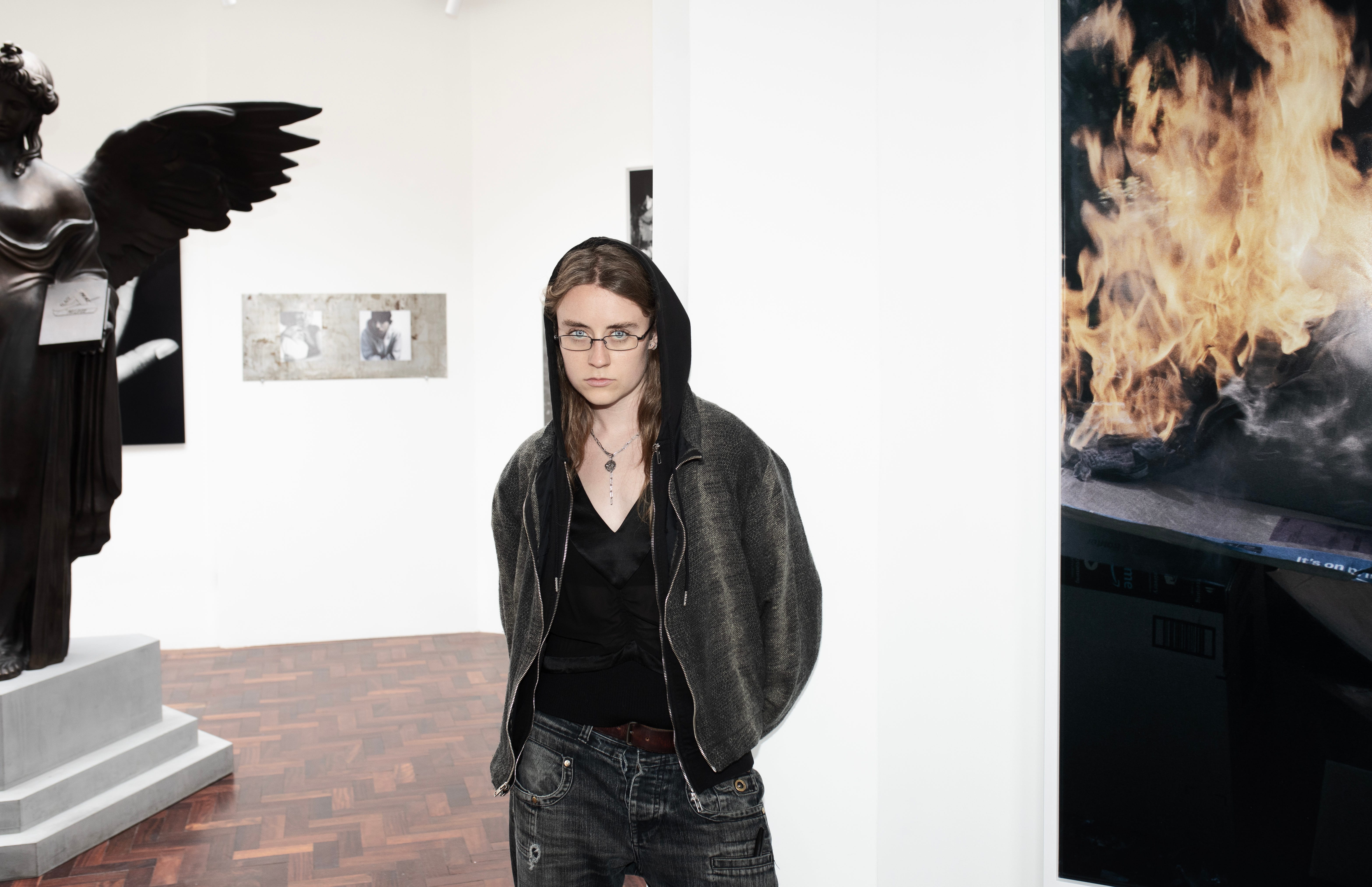
Definitely. With books, I think a lot about pairings, pacing, scale, paper, and printing. I’m kind of obsessed with those details, like weight and texture, because I see books as precious objects. Exhibitions let me take that physicality further. In my last show, I used metal and rust to bring in ideas of time and nostalgia, along with tiny two-by-three-inch prints that reminded me of family photos. You had to get really close to see them.