Girl Genius
A new generation of inventors are bringing their taste to tech. The result? Gadgets as fluent in Internet aesthetics as they are in computer science.

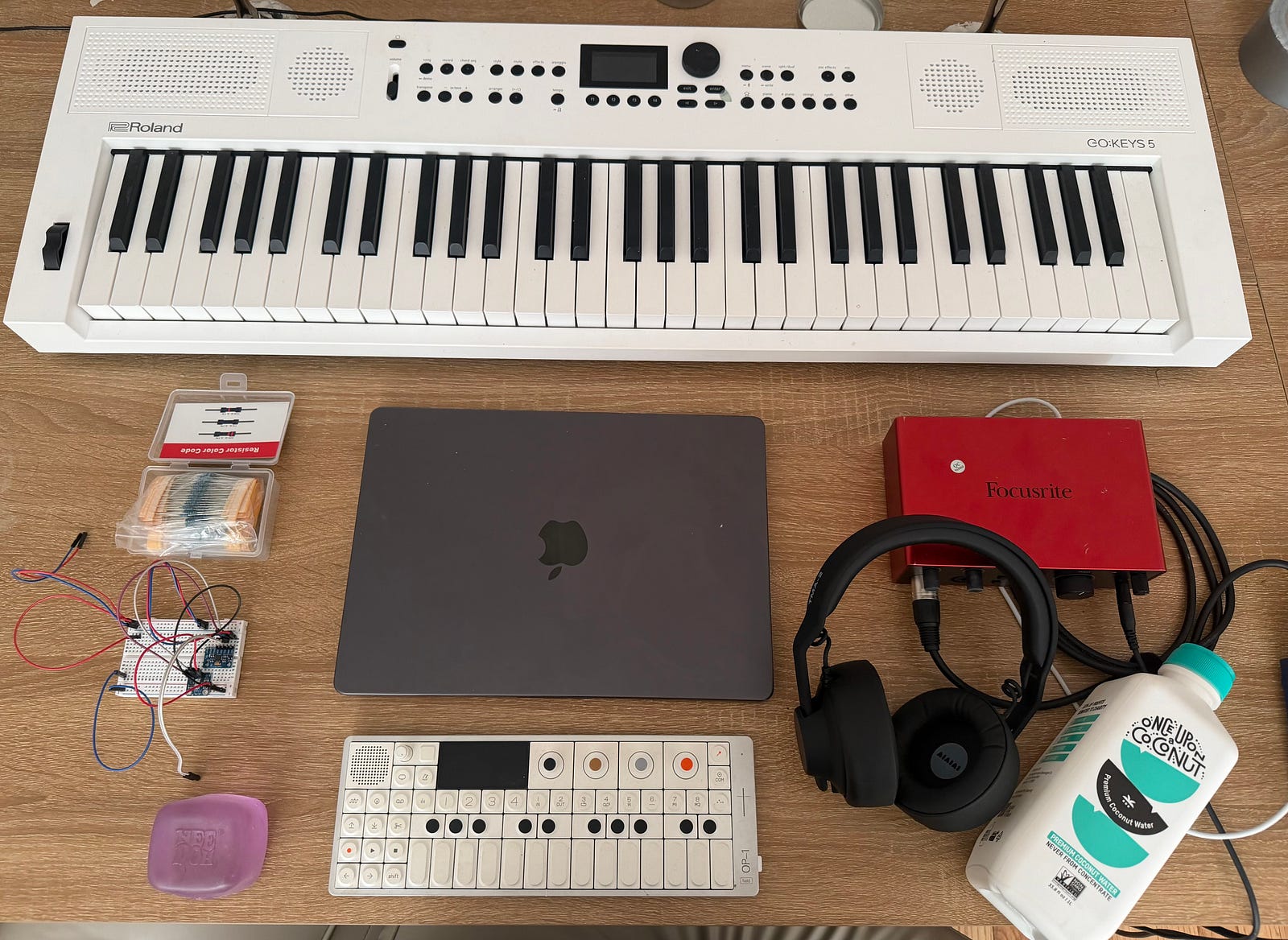
Scroll long enough on Instagram and you might land on a reel of a girl sending sparks skittering across the screen with the sweep of her hand. When she lifts her hand, a vocal harmony comes in. A bend in her pointer finger quiets the bass or sets off a tremble of drums. She looks like she’s conducting something only she can see. The creator is Jewel Posniak, a New York–based songwriter and software engineer in her twenties who records as Julip, using her computer’s camera to track her hands as she sings. She’s one of many musicians using code to make music—alongside L.A.’s Oxis, who codes the visuals for her fish-themed songs, and D.J. Dave, who codes dance tracks live.
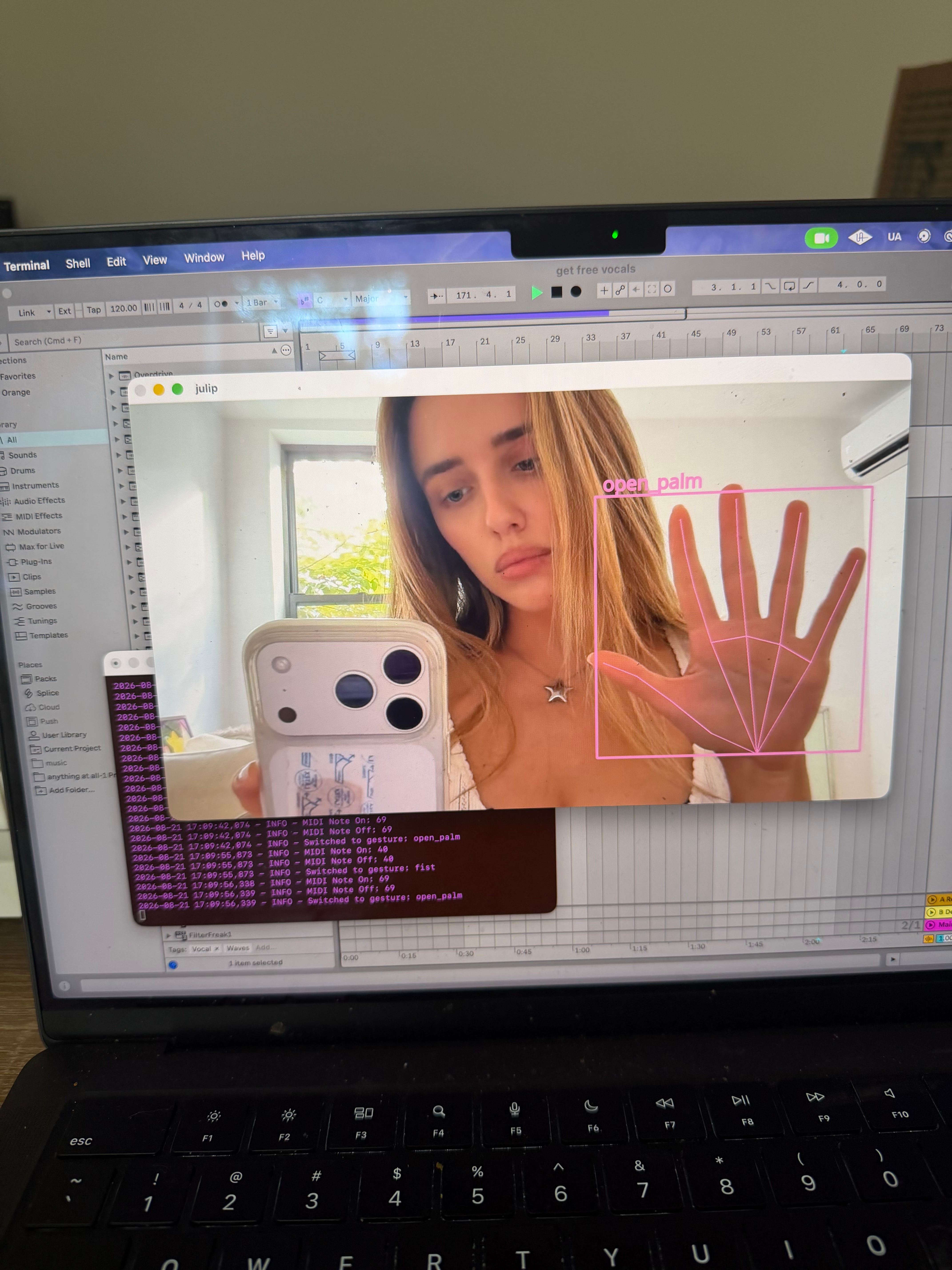
Two years ago, Posniak created the first version of Julip++, the software that turns her hand movements into sound. “I just didn’t like programming drums on my entry-level, low-quality M.I.D.I. keyboard,” says the musician. In her January 2025 cover of Charli xcx’s “party 4 u,” you can watch her loop her vocals through gestures. It was the first of her videos to go viral, and she’s since taken the software onstage. “Tech has become something that feels like a doomsday threat,” says Posniak. “It feels radical to use it as a form of play when it’s now so often associated with surveillance and greed.”
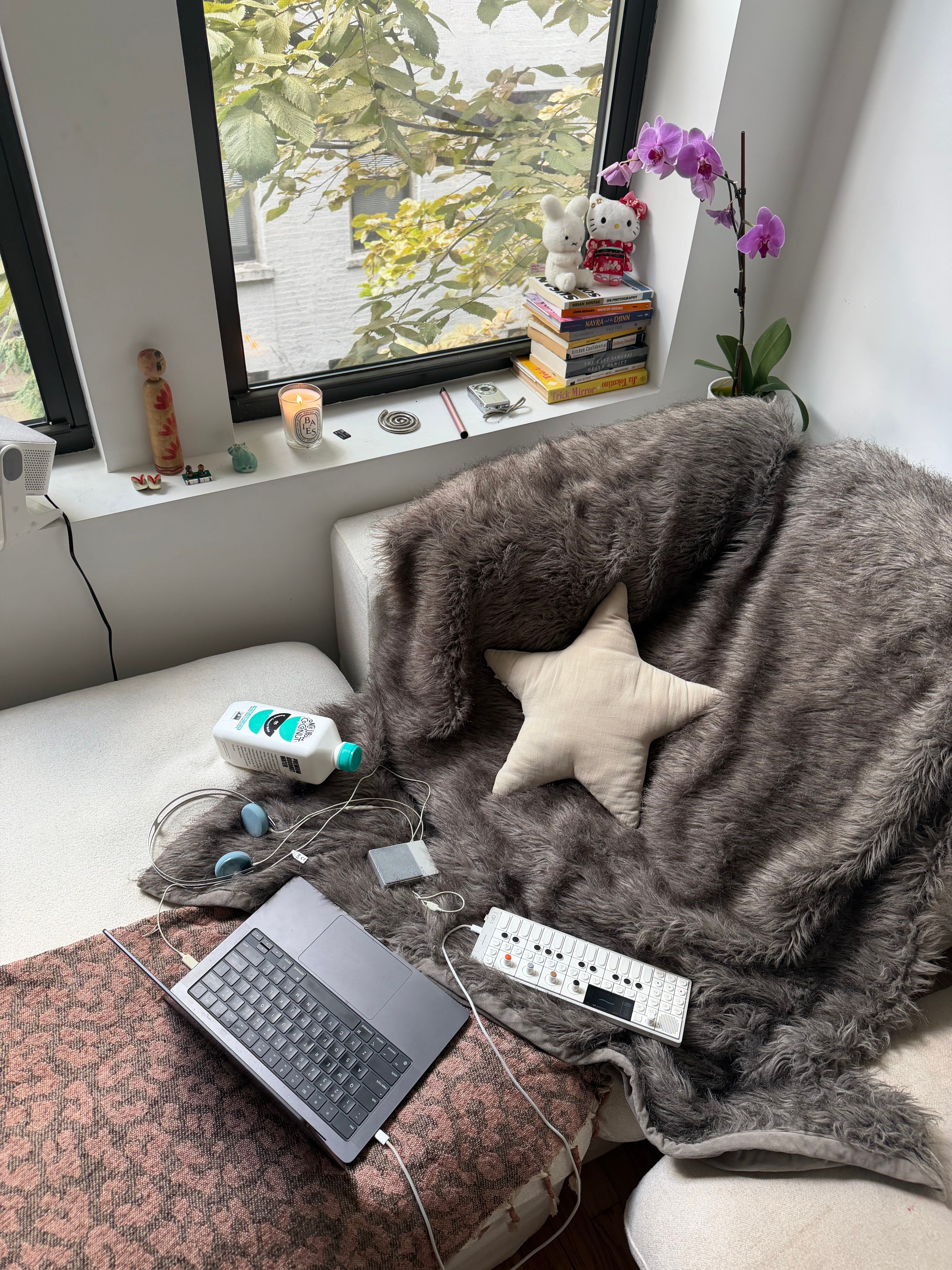
Posniak is part of a wave of young women who are treating technology as a creative medium rather than something that comes finished in a black box. Across the Internet, they are making hardware that is cute, odd, personal, and sometimes comically impractical. This sensibility runs counter to the sleek, frictionless ideal that has dominated consumer tech for decades, where every device seems designed to disappear into the same smooth rectangular form—a fantasy dreamed up by Silicon Valley’s resident edgelords in pursuit of optimization at all costs. For these creators, expression is part of the engineering: Color, shape, material, and how an object feels matters as much as what it actually does.
Take Emma Orhun, a 27-year-old Ottawa-based creative technologist who has turned AirPods into earrings and in 2024, went viral for her Tamawatchi, an Apple Watch screen fitted into a Tamagotchi shell that clips to a belt loop. A childhood toy with a tech giant tucked inside feels like the perfect embodiment of our zeitgeist—a device caught between longing for the things we grew up with and a rush toward a future we can barely picture. “The role of nostalgia in technology is to remind us of what we would make when optimization wasn’t front of mind,” says Orhun. As a teen, she figured out how to hack games and customize her Tumblr. Today, her creations have the brightly colored appeal of gadgets you might have begged your parents for as a kid. “Cuteness always has to be present in one way or another,” she explains, “but balanced with something mysterious or mildly sinister.”
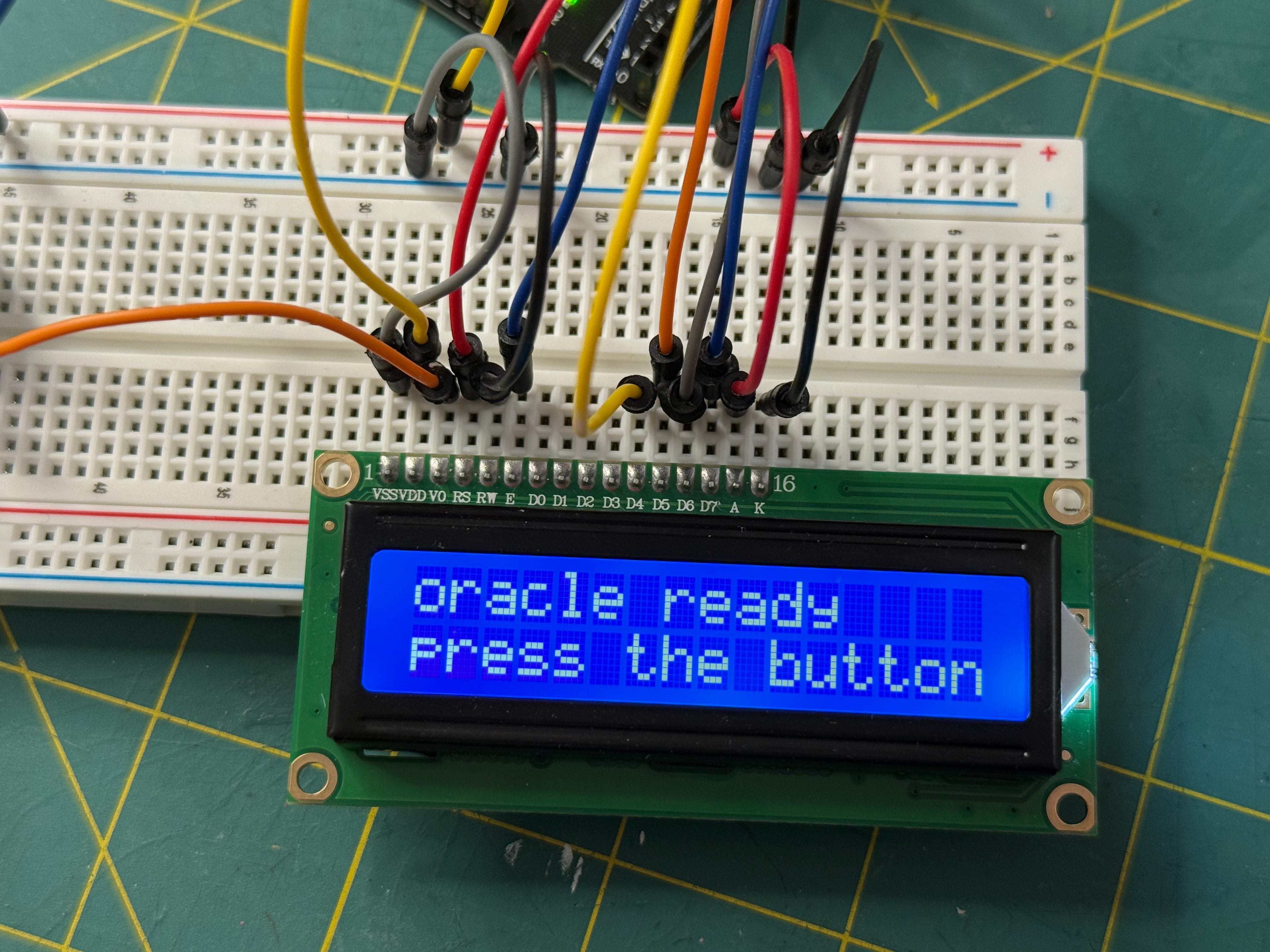
This past February, Orhun and her friend, Stefano Savvidis, built Human Friends, a platform for finding a pen pal, a friend, or a date. Nostalgic for how people used to meet online, the two wanted to bring back the pleasure of getting to know someone over email. They started with a Valentine’s Day matchmaking experiment: Fill out a questionnaire and get a match in your inbox. They paired up more than 20,000 people in the first round.
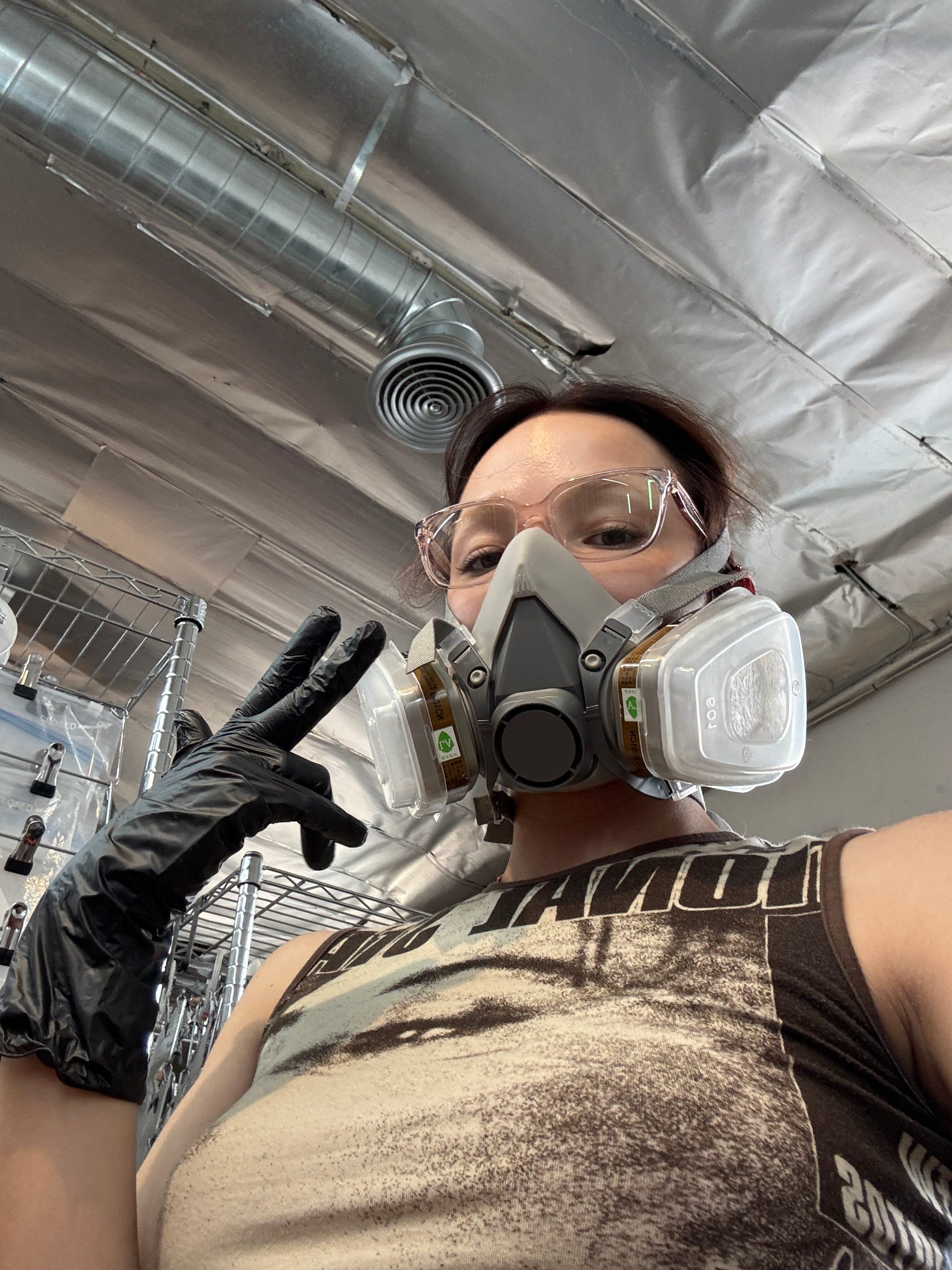
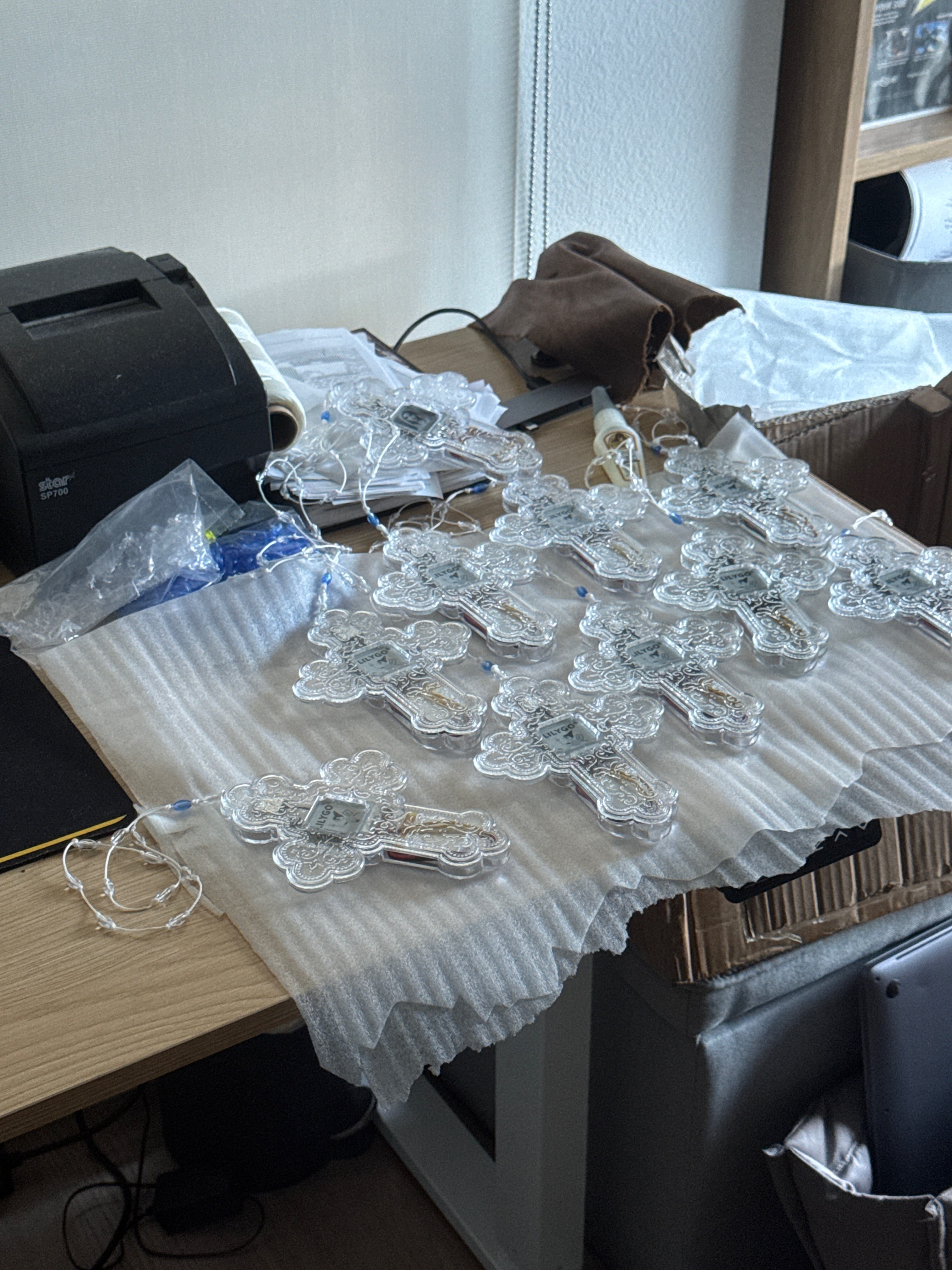
Stefani Pletenetska takes the same DIY impulse somewhere more spiritual, building electronics that borrow from the language of devotion. The 24-year-old Los Angeles–based artist and designer grew up making what she calls “silly robots,” but what she’s proudest of today is PRAY.IMG, a translucent electronic cross somewhere between an iPod and a pocket altar. Switch it into “Get a Sign” mode and press the button at its center and a tiny animation appears with a line of text on its Kindle-like screen; put it in “Pilgrimage” mode and its GPS will generate an image inspired by where you’re standing. What you make of the sign is up to you. Pletenetska just wants to make things that restore some of the awe, wonder, and hope people once projected onto the future.

Spend a little longer in the part of Instagram and TikTok where these inventors turn up, and you’ll see just how many there are. Earlier this year, London creator Annike Tan went viral for building a cyberdeck into a gold chrome clutch; New York designer Marisa Chentakul imagined hers as a pink makeup vanity; and Jenny Zhang, who goes by Computer Angel, went from New York to Shenzhen to prototype a hair clip that moonlights as a lo-fi video camera. Like Pletenetska’s cross, these are things you might want to pick up before you even know what they do, just because of how they look.
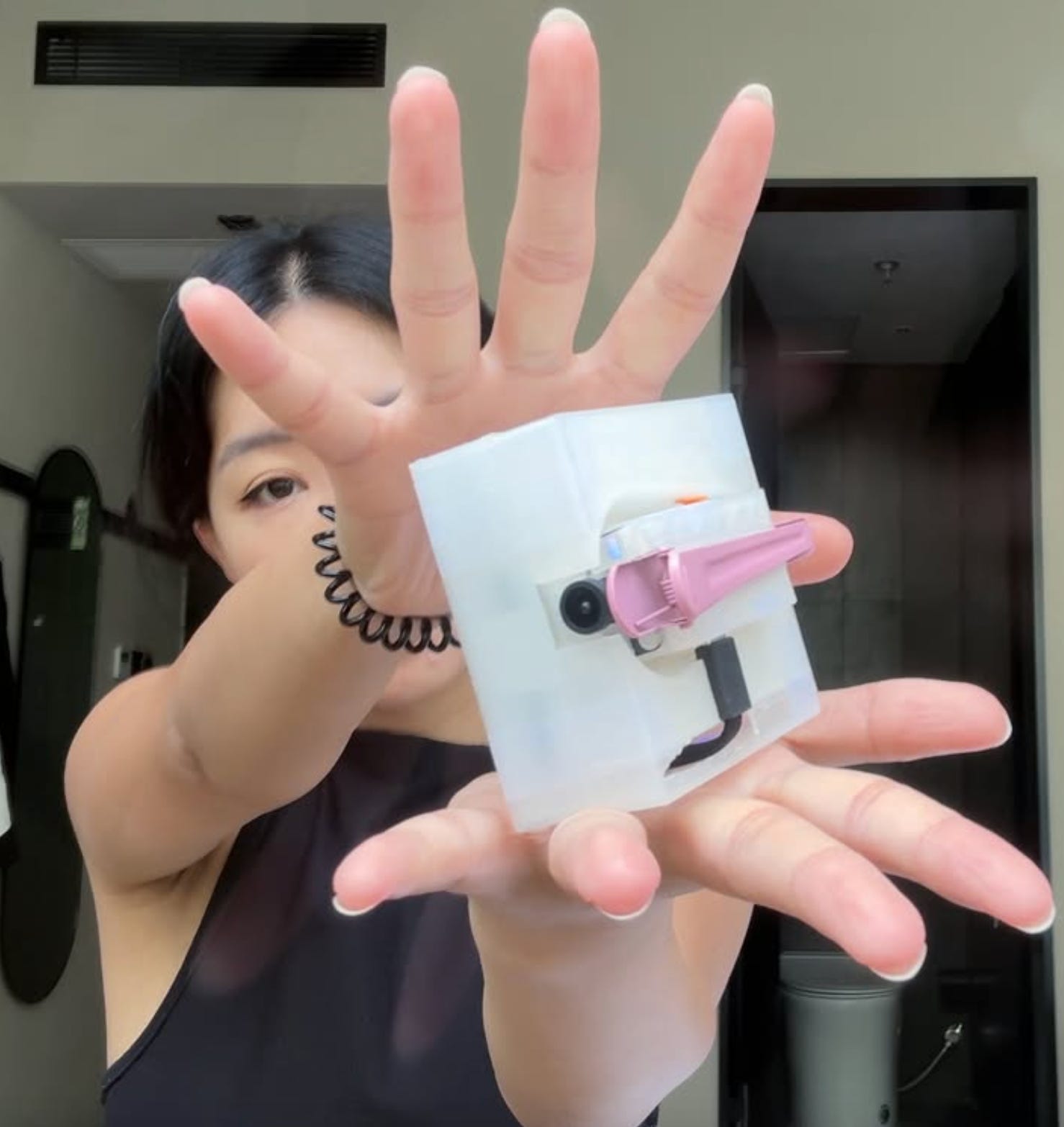
The same D.I.Y. streak shows up in Ash Herr’s browser extension, You’re Never Lonely on Wikipedia, which lets you see how many other people have gone down the same rabbit hole. While Nasha Wanich, who describes her work as “cute useless things,” makes pixel-art icons for desktop folders and posts the code for projects—like her underwater photo booth—so anyone can make their own. At a workshop in Oakland, Wanich invited beginners to sew circuits into wearable LED crowns, which is as good a reason as any to learn how a circuit works.
Most days, the future arrives in your inbox drenched in despair. Your feed adjusts to your desires, and there’s always some new shiny thing it thinks you’ll fall for. But spend some time with the things these inventors make, and you might start wanting to make things yourself. Just take a look in your junk drawer. You might already have half a computer.
Discussion about this post