


Originally published in Takeaway Spring/Summer 2026. Get your copy here.
Text by BIZ SHERBERT
Photos by EIMEAR LYNCH
Alice McNally, Vivienne Norris, and Miya Kofo all take their shoes off at the front door. Their bedrooms are safe spaces, not to be soiled by New York City dirt or monitoring spirits. Alice, 21, calls her room a place where she feels sheltered and secure, while Miya, 19, sees hers as the only place where she has full control over the visual aesthetic.
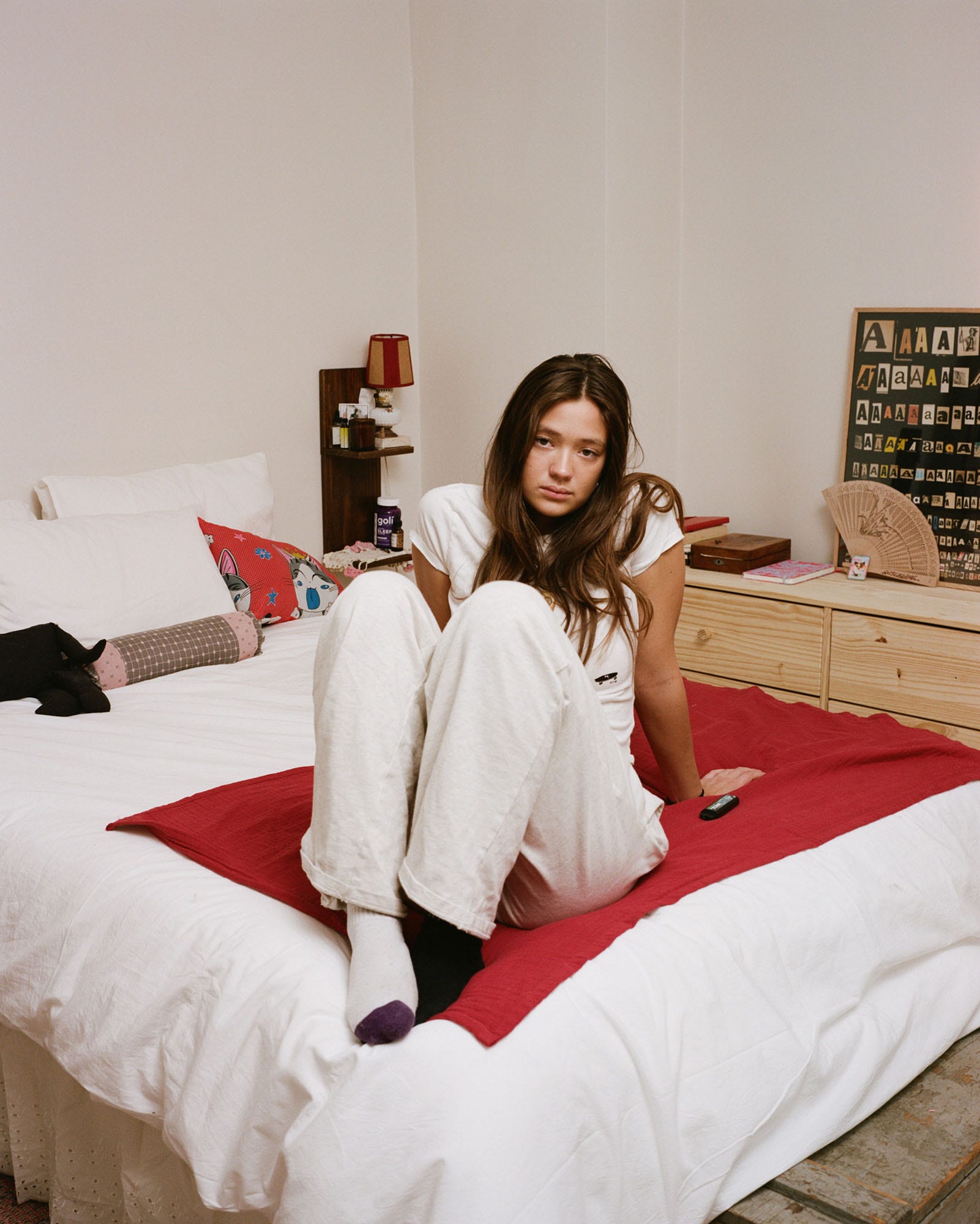
This seems true for most young women. A girl’s bedroom is often the first space that’s hers to shape, rivaled only, perhaps, by how she dresses. But personal style is subject to censure in a way a room isn’t—self-expression through clothes is inherently external, while a bedroom exists behind closed doors. Even after a girl leaves her parents’ home, a place to fully call her own is rare. “I used to live with my now ex-boyfriend, and so the decor was never truly just mine,” says Alice, a New York City-raised model currently on a break from college. “Now I have an apartment that is completely me, and it’s scary. There are so many styles and patterns and colors that I love and want in my home, and it’s hard to narrow it down to what will work together and look good.”
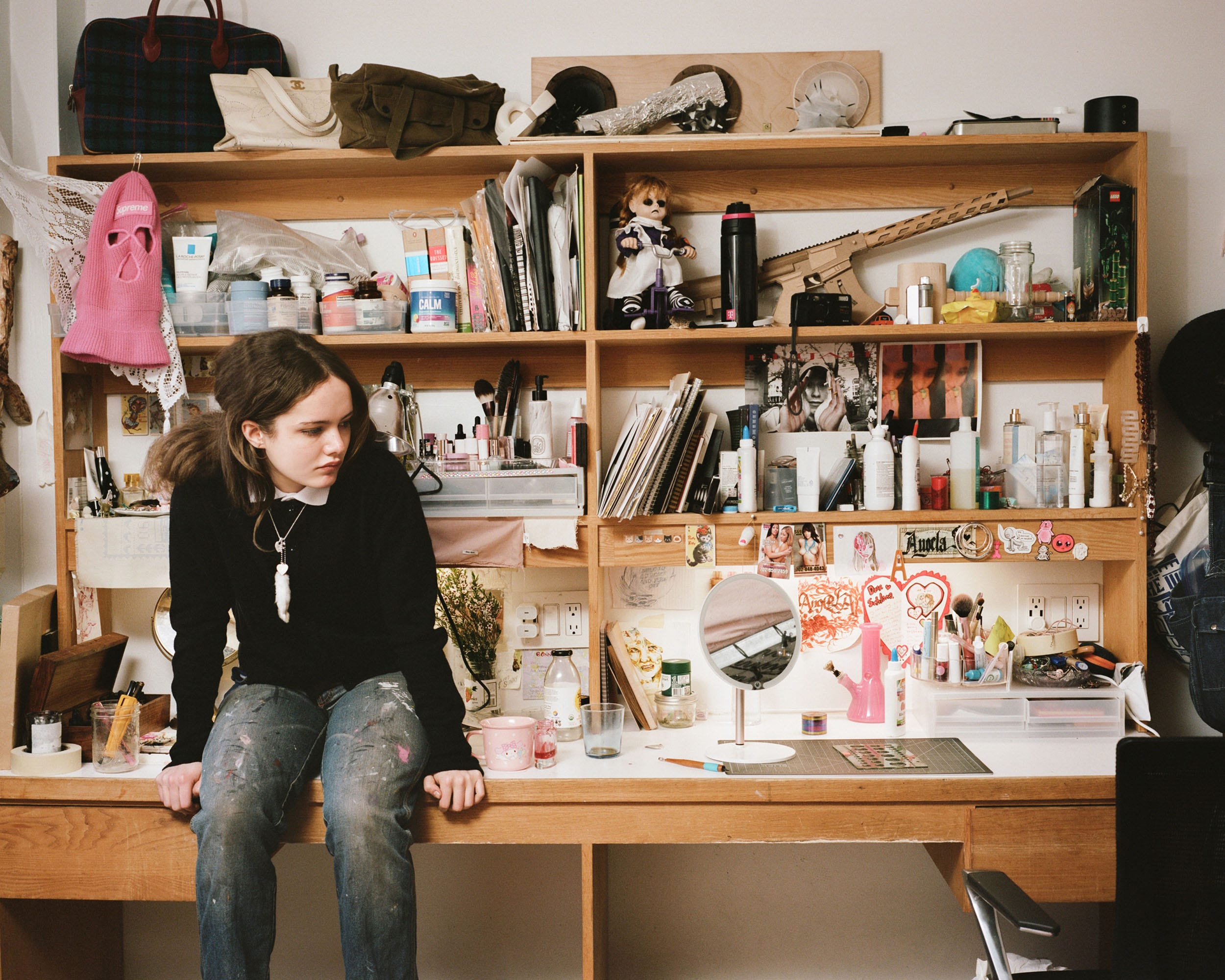
What exactly a “truly mine” room looks like varies, but one thing is almost always present—an assemblage of trinkets and totems with personal significance sometimes indiscernible to the uninformed viewer. Vivienne, a 19-year-old freshman studying fine art at the Cooper Union, describes her room as “an accumulation of objects that inspire me and the things I make in response to them.” This includes a stuffed gorilla that a friend sewed from Realtree camo, and her great-grandmother’s mink furs. “They were kept in a plastic bag until she died,” she says. “I was the only person in the family who had any real interest in them.”
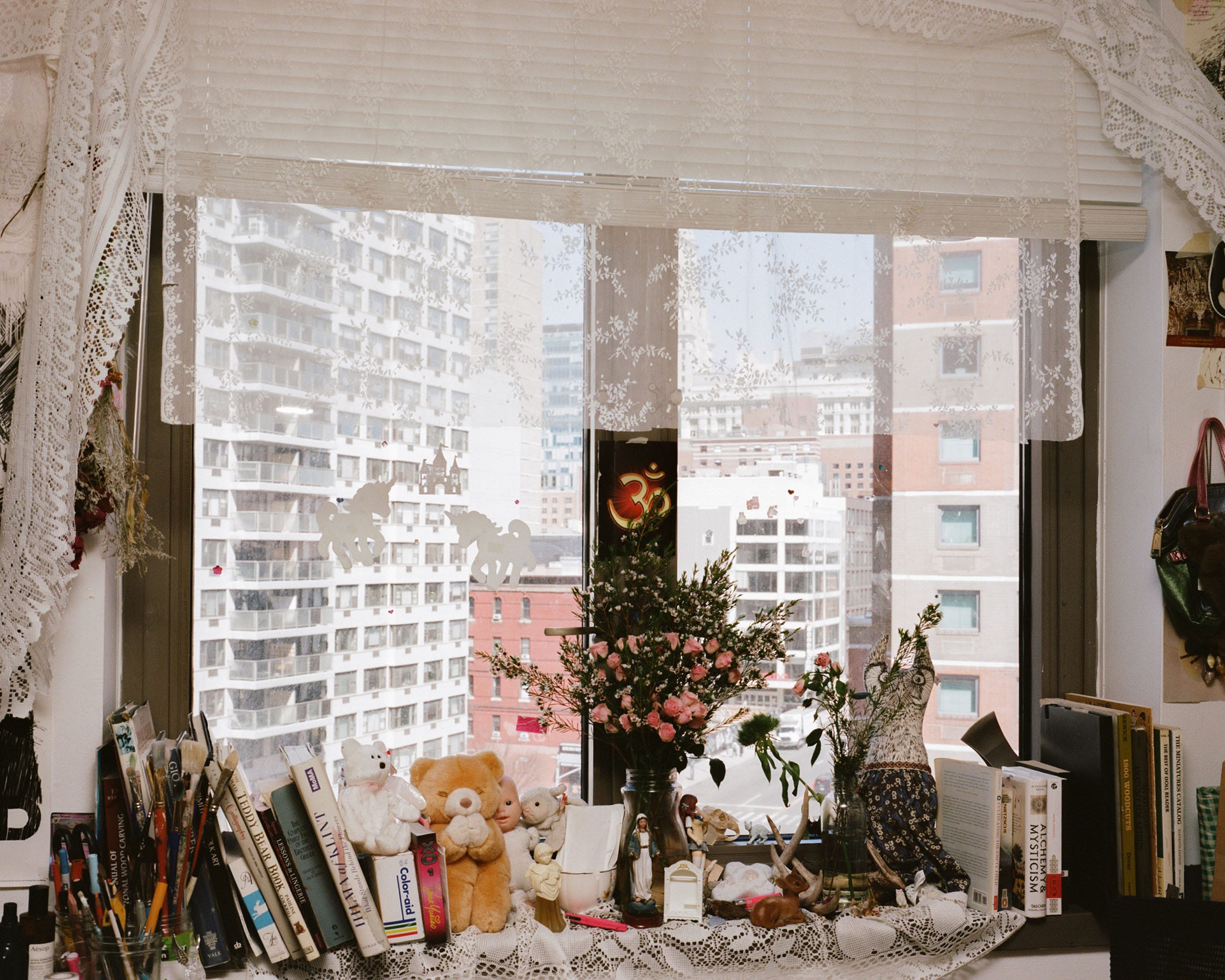
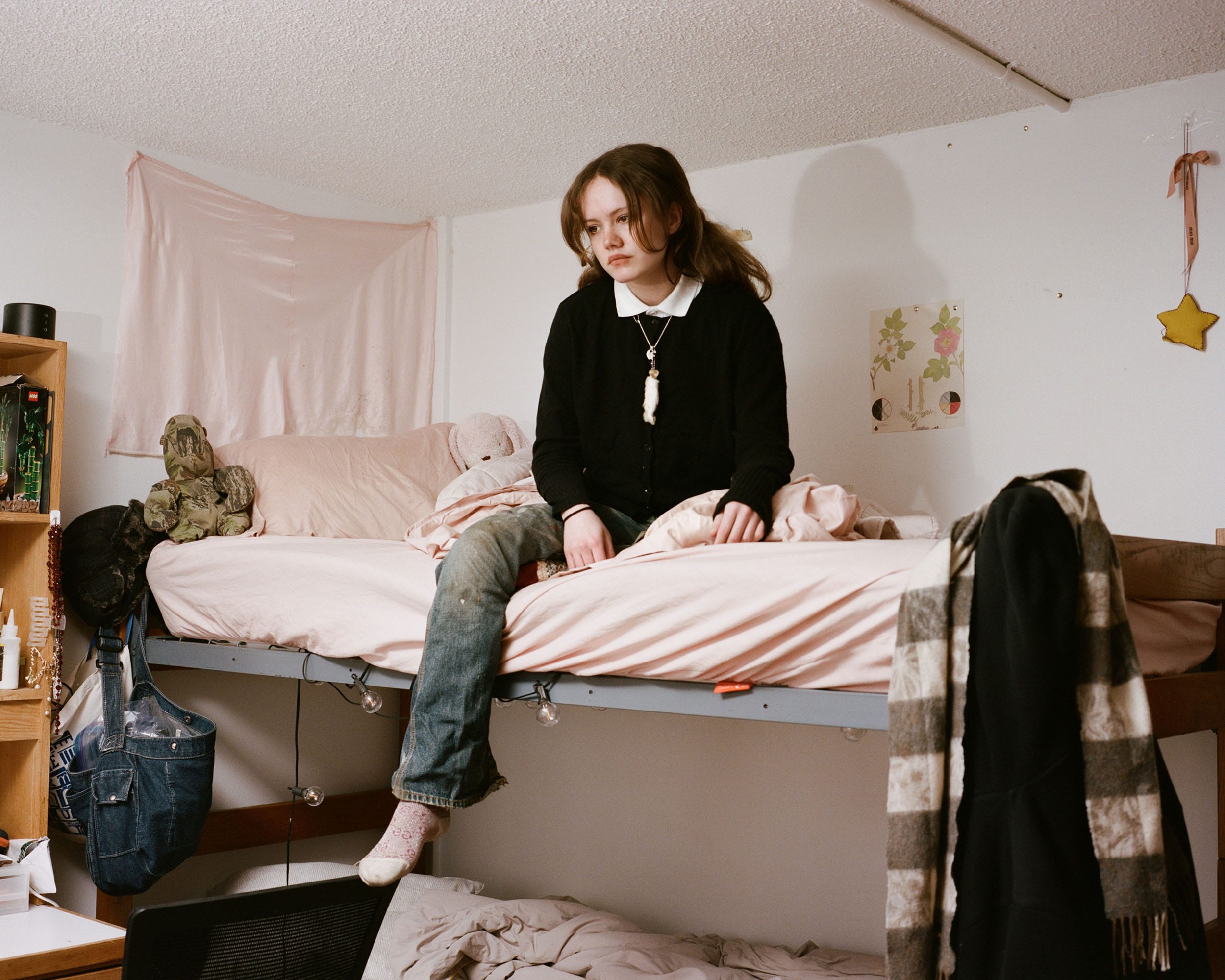
In an era defined by digital collecting—Pinterest boards, screenshots, saved folders—the bedroom as a site of physical curation and identity-building takes on new importance. Miya, who is originally from New Jersey and is studying filmmaking at the Pratt Institute, practices visualization in her room, closing her eyes and imagining the things she desires—the old school, woo-woo version of making a Pinterest board of the life you want.
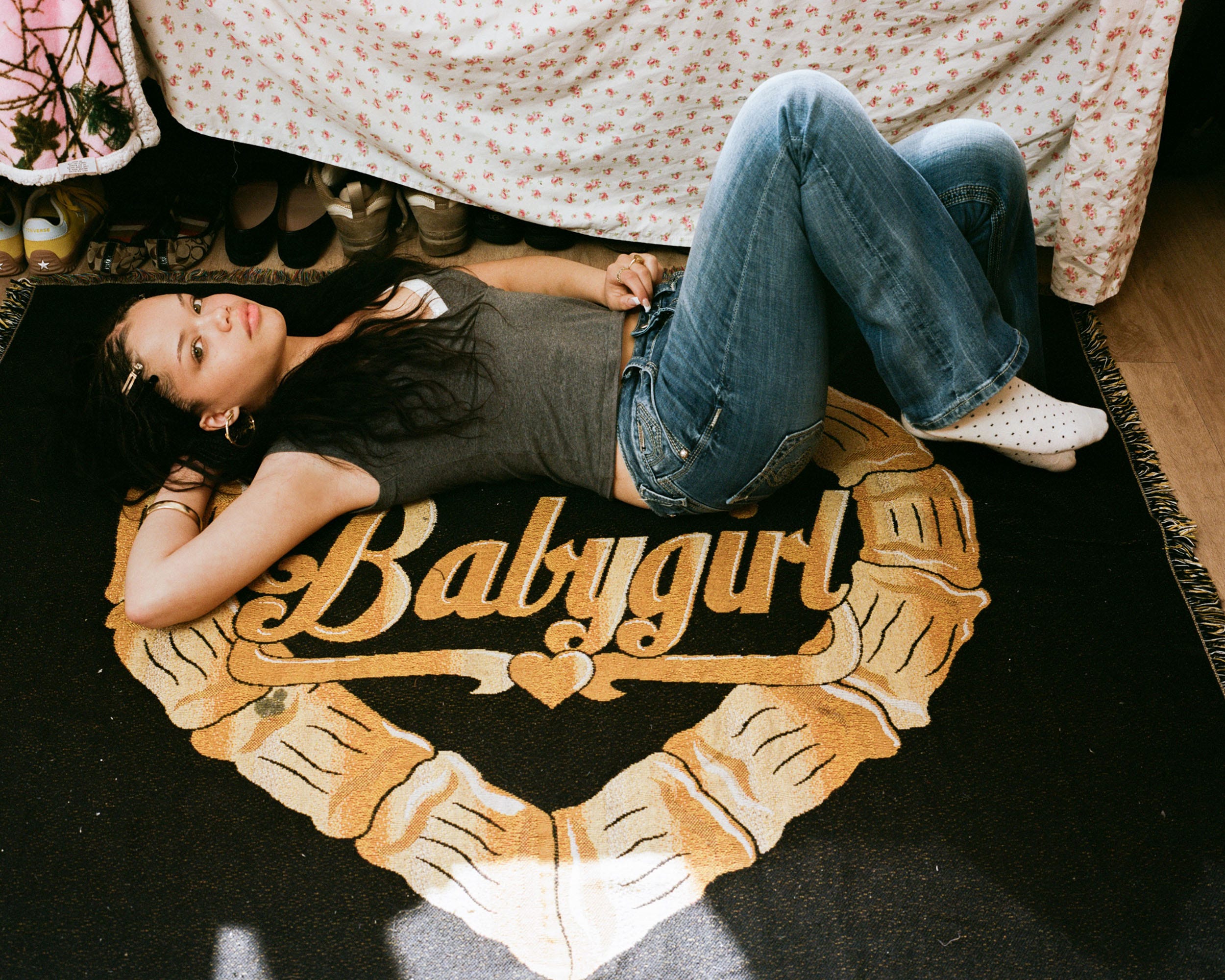
A girl’s room might be curated to be photogenic, to work well as a backdrop for images of herself posted online, or even as a stand-in for her aesthetic when she’s not in the shot. But it’s also a place to ground herself with objects and emotions that transcend life on-screen. Alice says the newest addition to her room is a piece of art a “special person” made for her in February. “When I look at it I feel slightly overwhelmed with gratitude and love,” she reflects. “It kind of bewilders me that someone would take the time and effort to make something like that for me.”
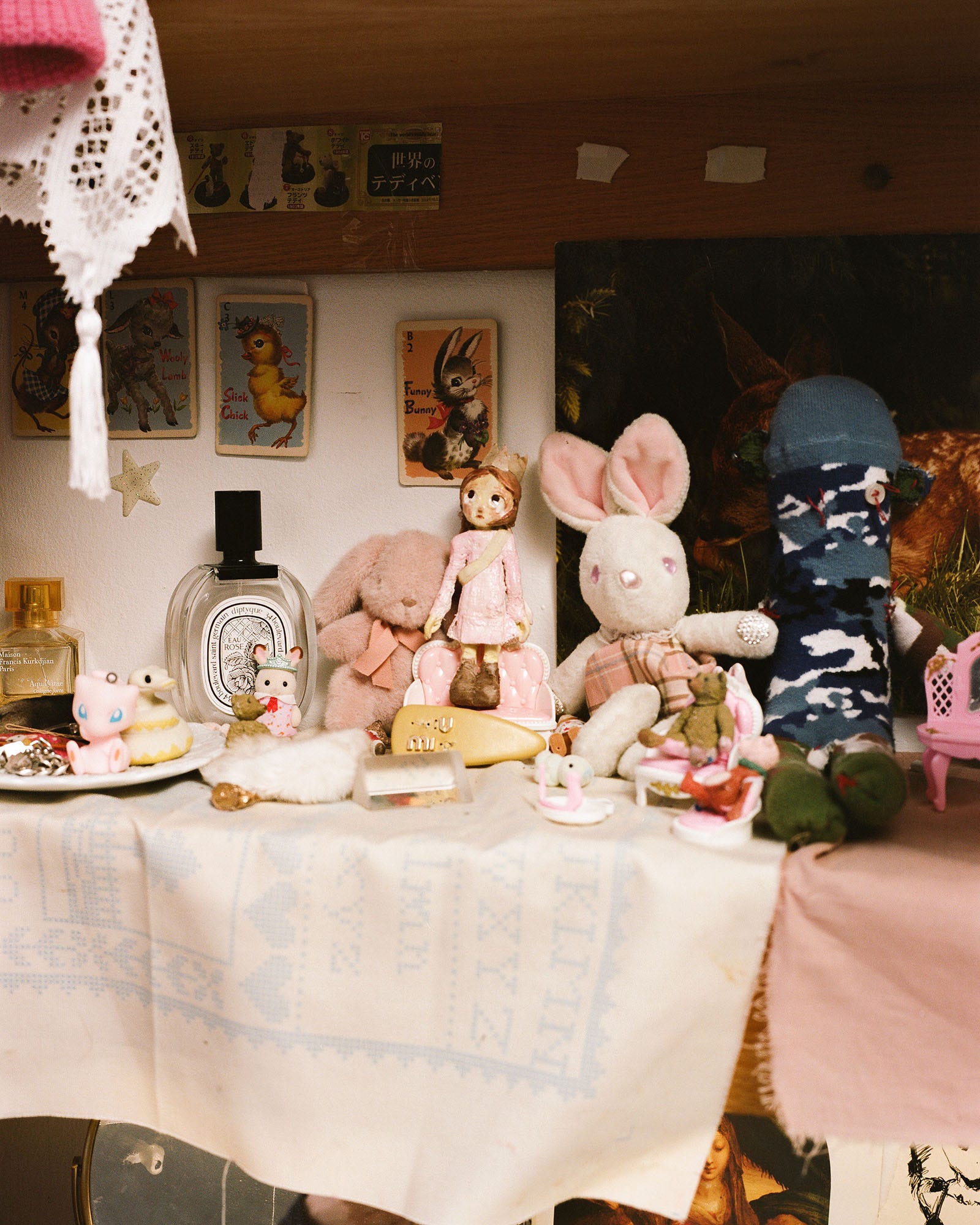
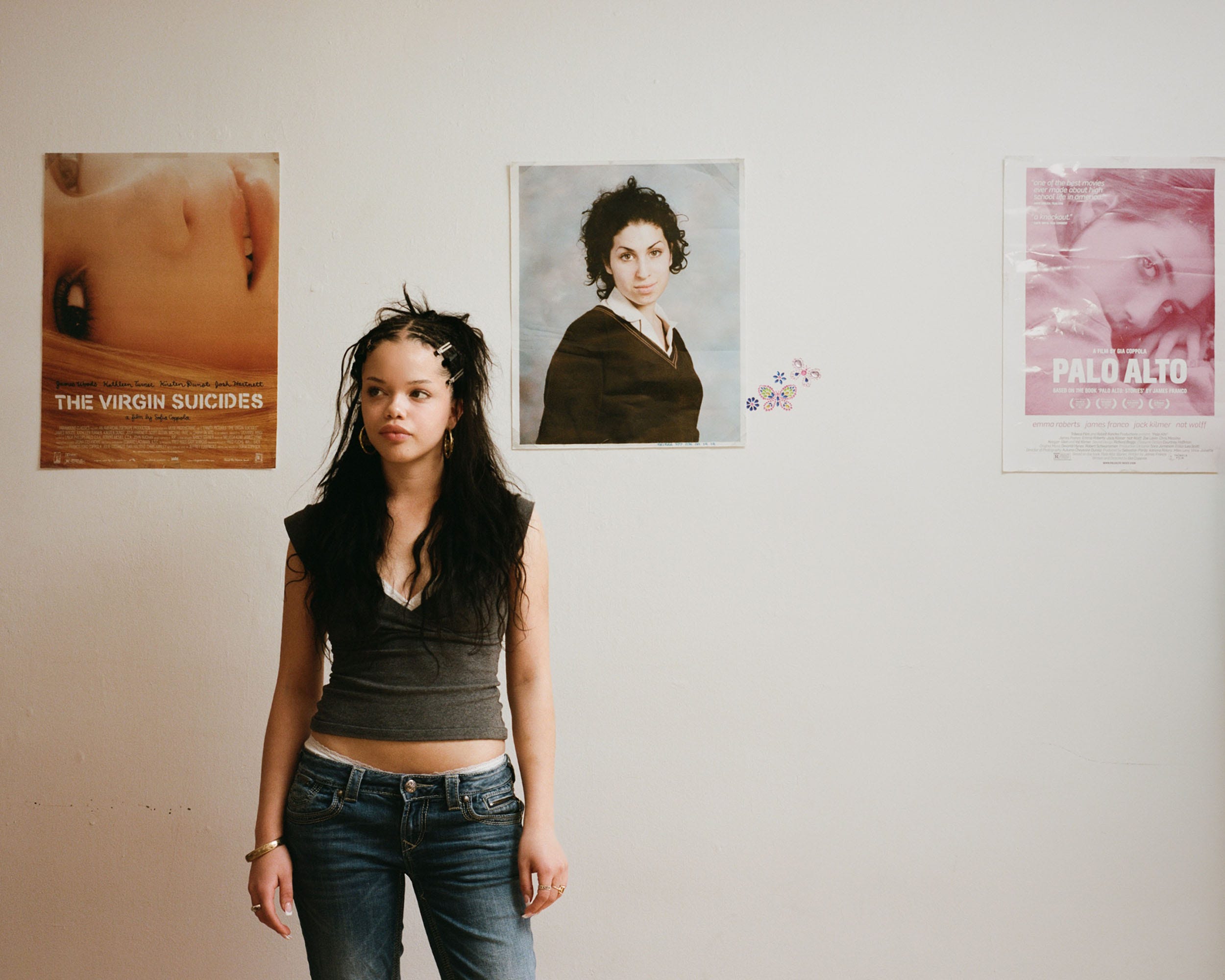
Among Miya’s prized possessions are a vintage brass ashtray pressed with the words “Beverly Hills,” a ring with a green gemstone that belonged to her grandmother, and a pink teddy bear her dad bought her at the hospital when she was born, which she still sleeps with every night. Miya sees her room as an extension of her artistic practice: “I have this big poster of Lux from The Virgin Suicides, which influences so much of my creative vision,” she says. Each object anchors to an aspect of Miya’s personality or interests—like her love of Old Hollywood and California reflected in her ashtray. The rest of the decor in her room is mostly antiqued, gifted from friends and family members, or carried over from her childhood. “I rarely find things on Amazon or online,” she explains.
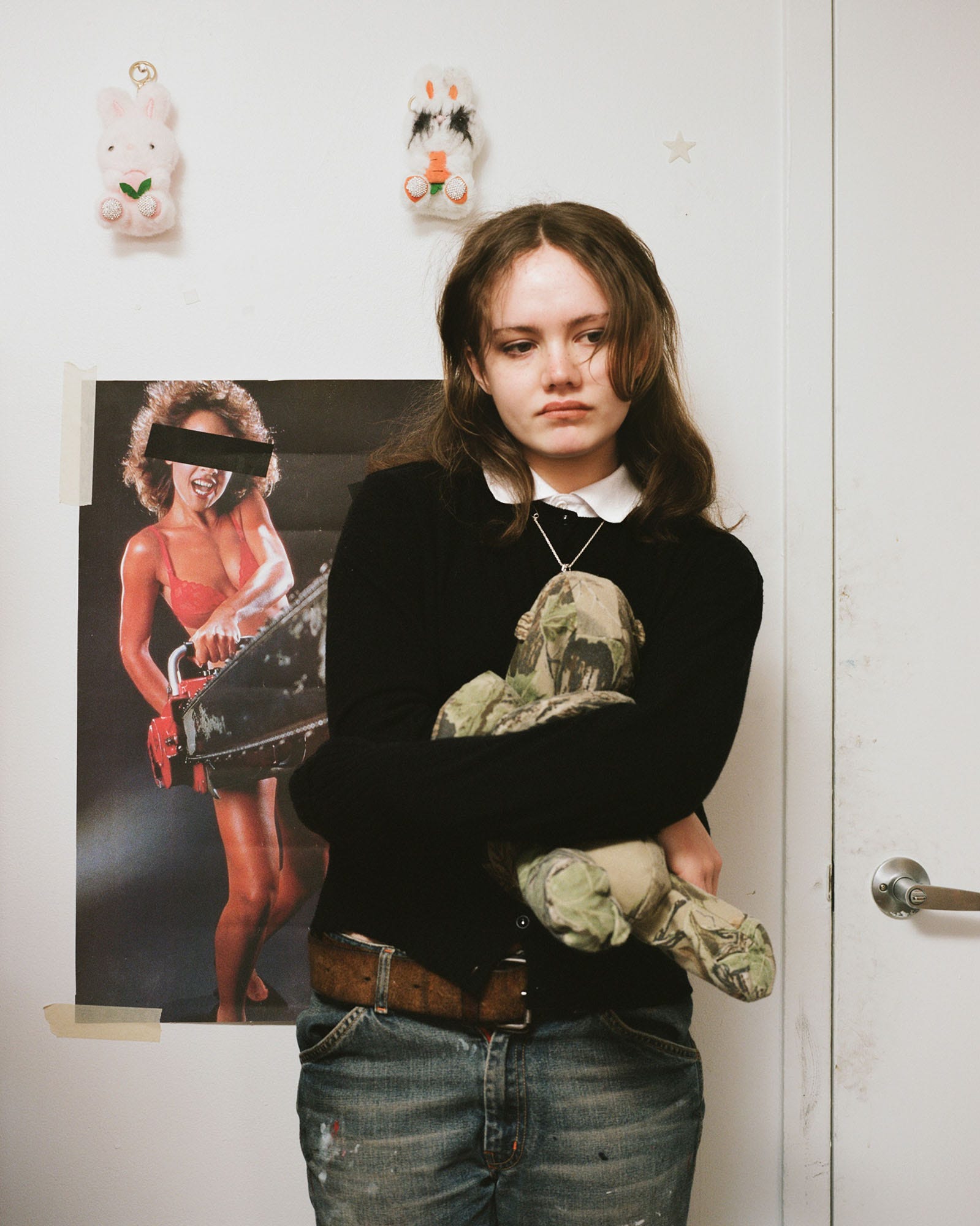
Alice’s accumulation runs more oddball. When asked if she collects anything, she tells me she does—everything heart-shaped. “And Charlie’s fur,” she adds, referring to one of her cats. “Both stemmed from obsession,” she explains. “Whenever Charlie sheds a clump of fur and I spot it, I put it in a little bag on my shelf in hopes that when I have enough I can feel something. A hat, a scarf, I don’t know yet,” she adds. “It’s definitely not something I’m proud to admit.”
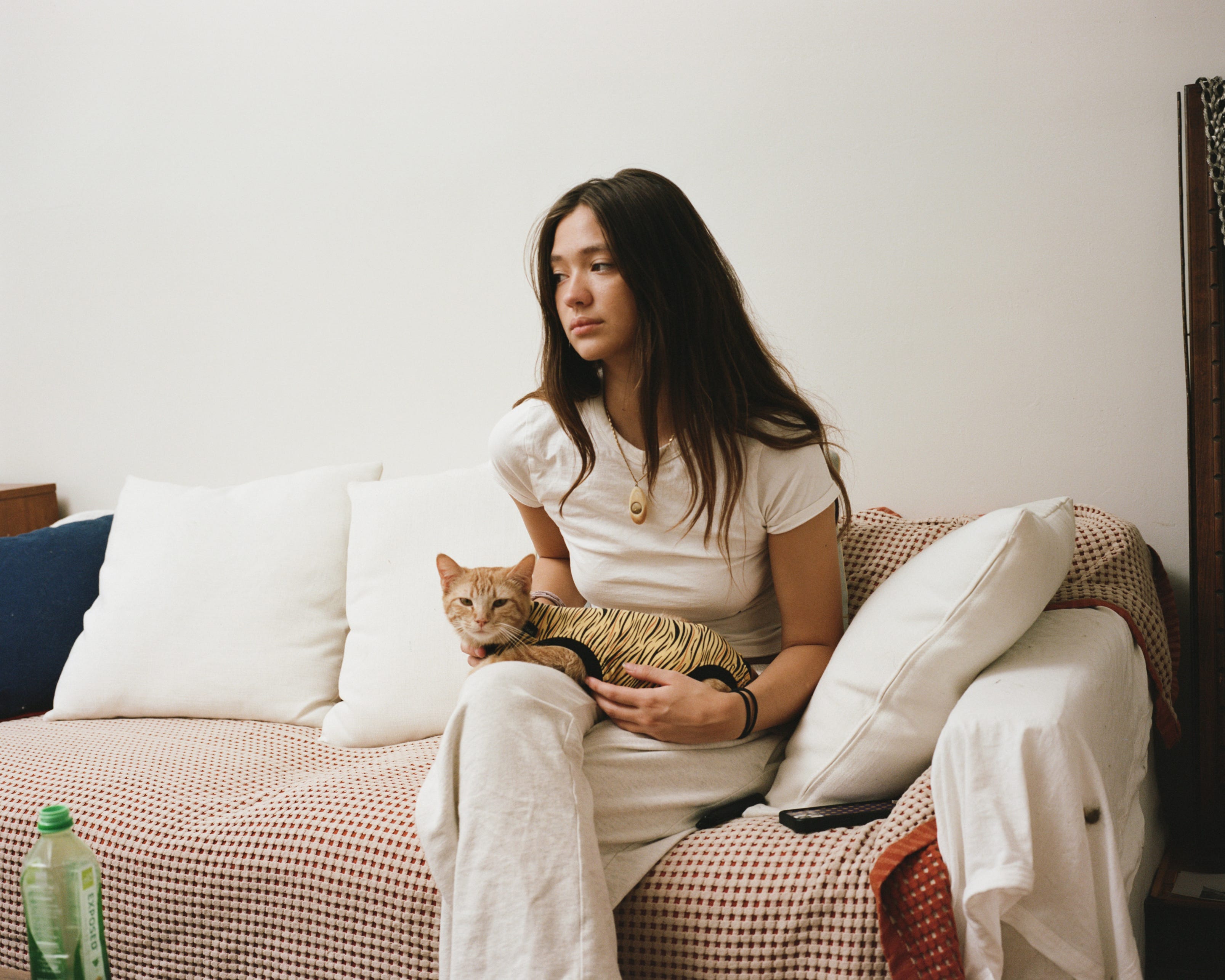
These objects of personal significance, along with more practical furnishings, are in conversation with the girls’ personal style. Miya chooses the words romantic, ephemera, and pink to describe her room, but prefers black with simple gold jewelry when getting dressed. She sees her room as a place to experiment with her aesthetic in a more expansive and personal way. Of the relationship between her personal space and style, Vivienne says, “I feel like it’s all the same instinct in terms of curation. Clothing is another form of decorating in my mind.”
Small rituals start and end the day in the girls’ rooms: Miya gets ready for bed every night by listening to a playlist of nighttime songs she’s been adding to since her freshman year of high school. After she brushes her teeth, Vivienne practices calligraphy to help her fall asleep. Alice has photos of her and her mother strategically placed next to her bed. “Those are special because I want those photos to be the first thing I see in the morning and last thing I see as I go to bed,” she says.
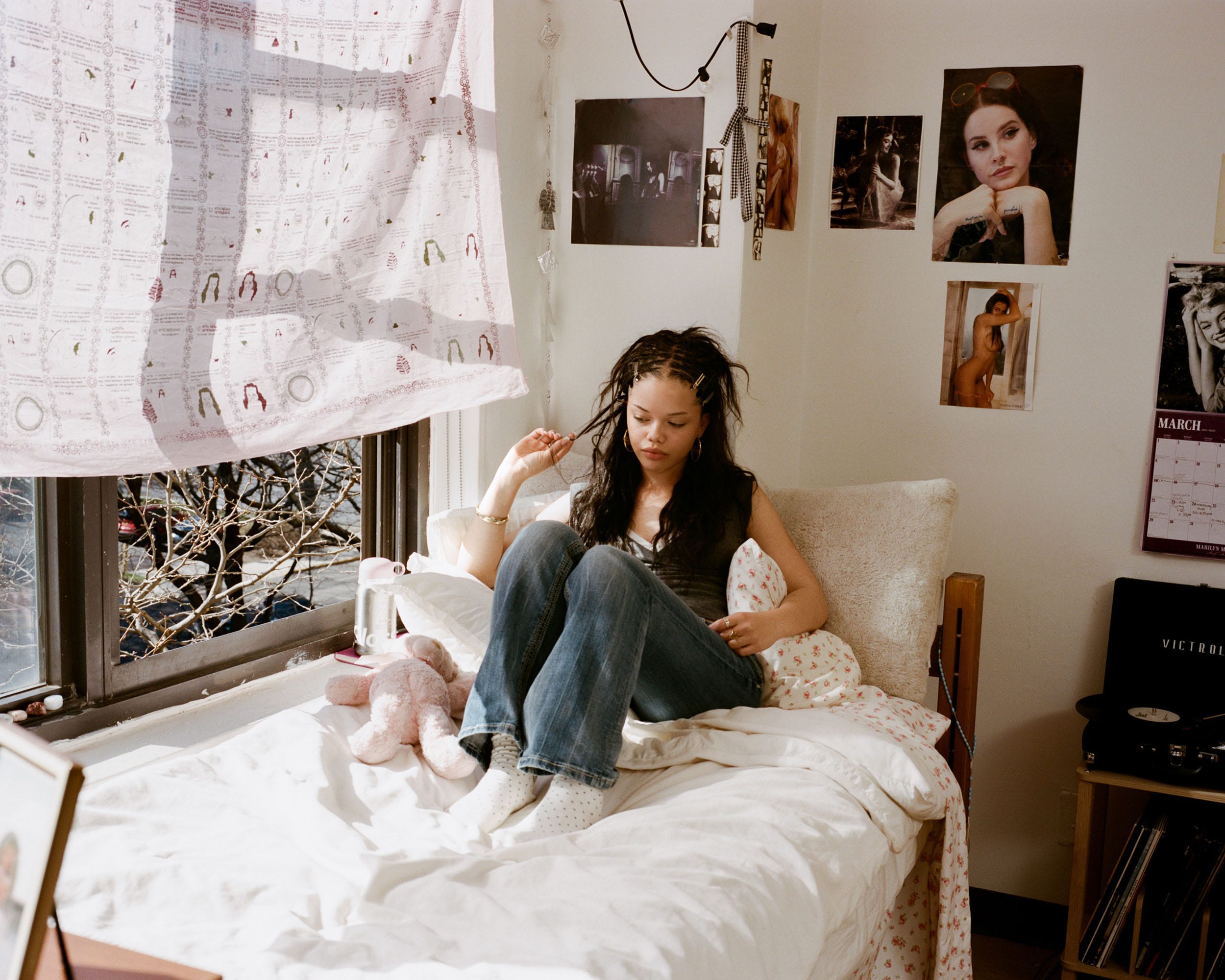
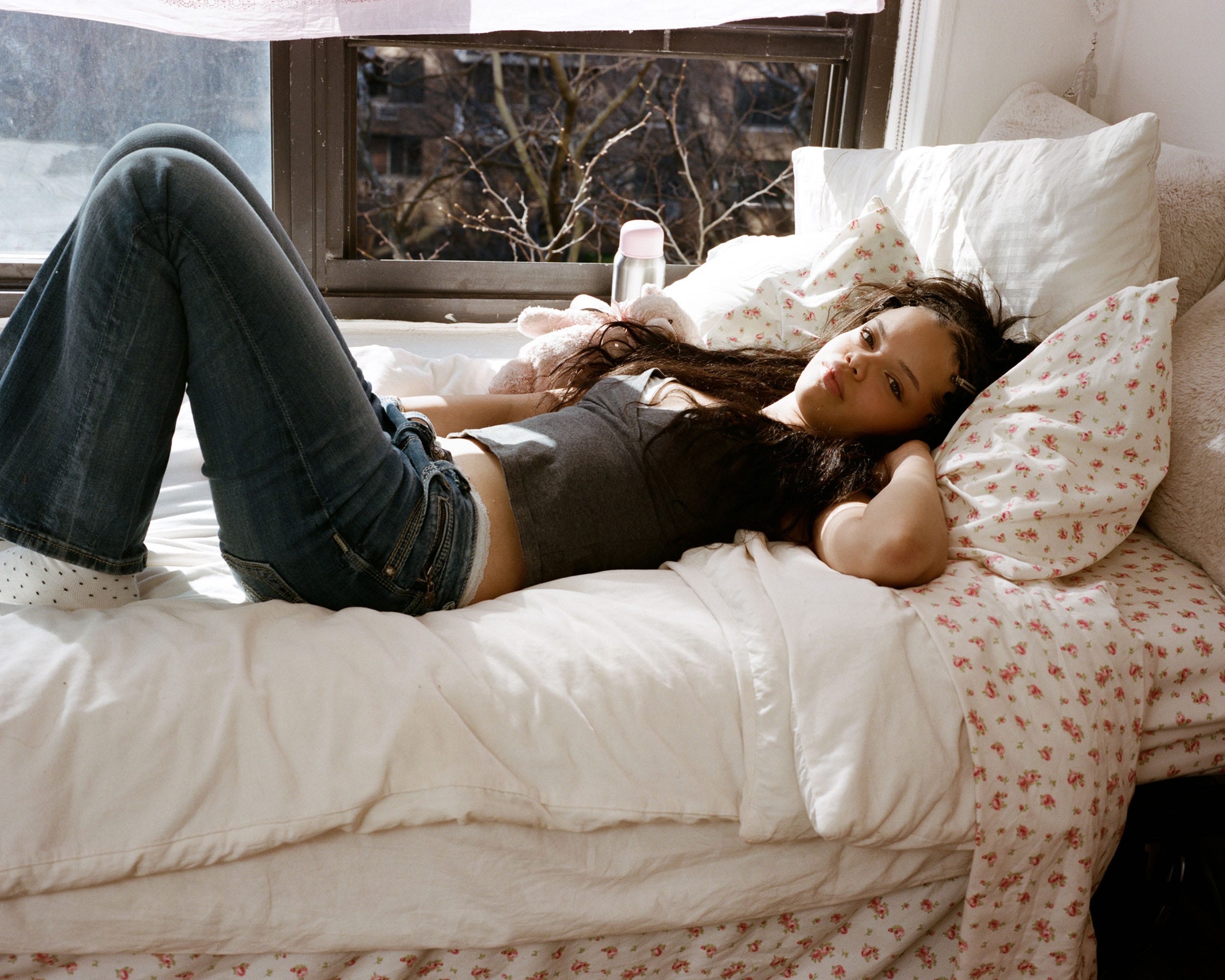
Maintenance is key to keeping their rooms how they like them. Though they’re still the age where it’s acceptable for their rooms to look like the dressing room floor after an unsuccessful shopping trip, all three say cleanliness and organization are priorities. “I despise coming home to a messy room,” remarks Alice. Miya admits that she’s notorious for making a mess while getting ready. “It could be a birthday party or a 9 a.m. class, and either way, I would come home to an explosion of clothes”—but she considers it canceled out by her ability to clean really fast and her need for a tidy room before going to sleep.
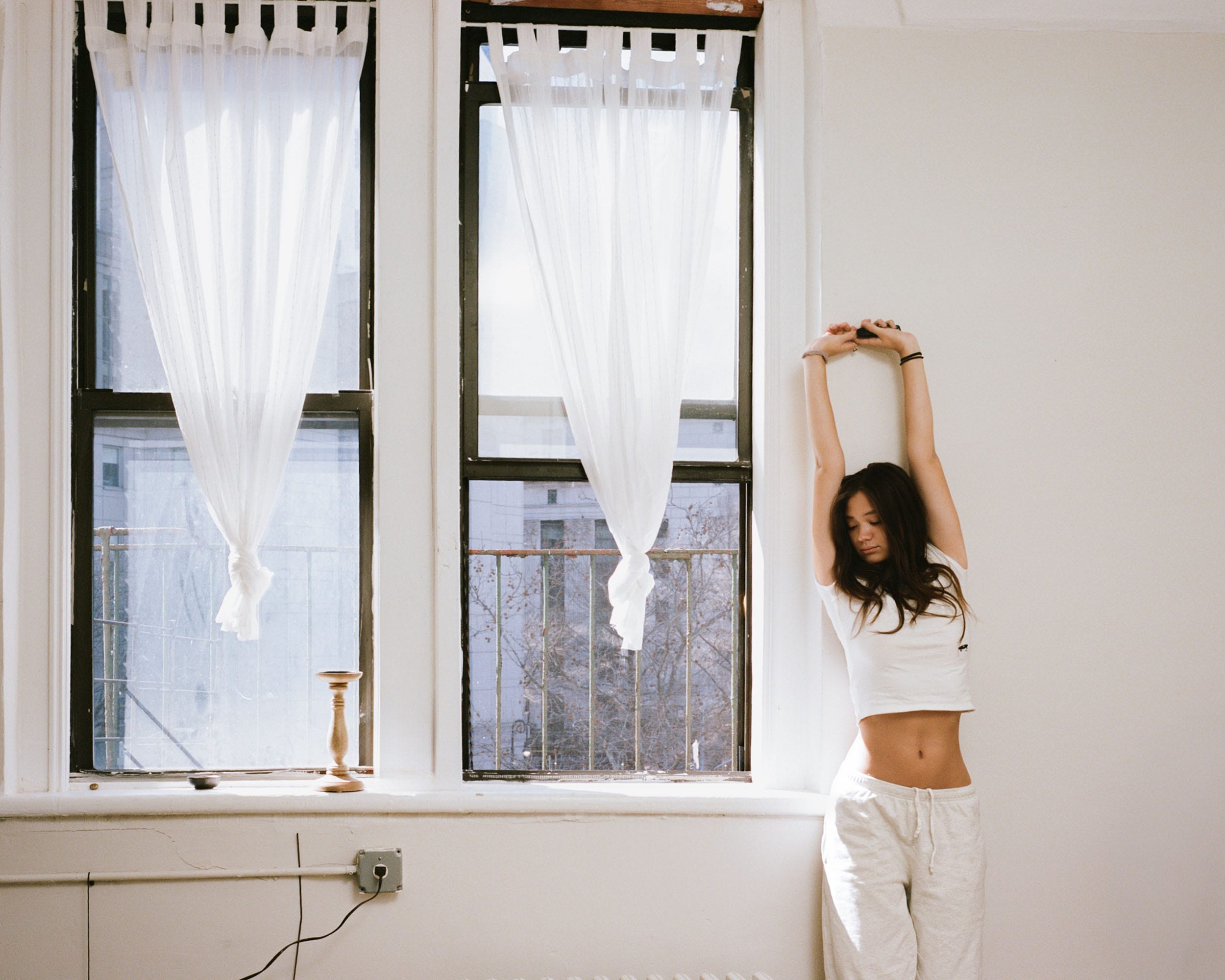
And as for the bed itself: no outside clothes allowed. Vivienne calls it a hard no, while Alice says she has an infinite amount of pajamas for friends to borrow. “And if a boy comes over and he’s getting in my bed, he’s not wearing clothes anyway.”
Awww, this is so cute and totally took me back to being younger and hanging out in my own sacred space!